Table of Contents
- What protective gear do you need for boxing?
- Why Protective Gear Defines Your Boxing Career
- Boxing Protective Gear: Quick Overview
- Mouthguards and Gum Shields
- Hand Wraps
- Boxing Headgear
- Groin Protectors
- Body Protectors
- Chest Protectors for Female Boxers
- A Note on Boxing Gloves
- Boxing Protective Gear by Training Type
- What Protective Gear Do You Need at Every Stage?
- Common Boxing Protective Gear Mistakes
- Competition Regulations: Amateur and Professional
- Where to Go Next
- FAQs
- For a deeper dive, see our guide with
- headguard types explained
- .
- For detailed recommendations, see our
- groin guard guide
- .
- For detailed recommendations, see our
- body protector guide
- .
What protective gear do you need for boxing?
To train safely in boxing, you need the following protective equipment:
Start with these for bag and pad training:
- Hand wraps chosen for your hand and wrapping method
- Boxing gloves suited to your activity and experience
- Any additional equipment required by your gym
Before sparring, add a fitted mouthguard and confirm your gym’s requirements for:
- Boxing headgear
- Groin protector (male fighters) or pelvic protector (female fighters)
For coaches holding body-shot drills, a body protector such as the Rival Body Protector provides a padded target.
- Body protector
Female boxers should also check whether their gym or event requires:
- Chest protector
This is the core kit list for any boxer training in the UK. The rest of this guide covers each category, when you need it, what to look for, and where to find detailed buying guidance.
Why Protective Gear Defines Your Boxing Career
Good protective gear should stay in place and let you concentrate on the drill. A shifting headguard, loose gum shield or damaged glove is a distraction you can deal with before the bell. Match the kit to the session, then keep the sparring controlled. More coverage is not permission to trade harder shots.
This guide covers every category of boxing protective equipment: mouthguards and gum shields, hand wraps, headgear, groin protectors, body protectors, and chest protectors for female fighters. Each section explains what the gear does, when you need it, and links to our dedicated guides for full product breakdowns and buying recommendations.
Boxing Protective Gear: Quick Overview
| Gear | Purpose | Mandatory? | When You Need It | Price Range |
|---|---|---|---|---|
| Mouthguard / gum shield | Helps protect teeth and mouth | For contact work | Before contact training | £8 to £30+ |
| Hand wraps | Supports the hand and wrist inside the glove | For bag, pad and contact work | From your first bag or pad session | £5 to £25+ |
| Boxing headgear | Reduces cuts, bruising, and surface trauma | Confirm gym and event requirements | First sparring session onwards | £20 to £200+ |
| Groin protector | Covers the groin or pelvic area against accidental low shots | Confirm gym and event requirements | First sparring session onwards | £20 to £195+ |
| Body protector | Absorbs punch force during pad work | No -- but useful for coaches and pad holders | Pad drills that include body shots | £75 to £390+ |
| Chest protector (female) | Protects breast tissue | Check current gym and event requirements | When required or permitted for the session or event | Varies |
Mouthguards and Gum Shields
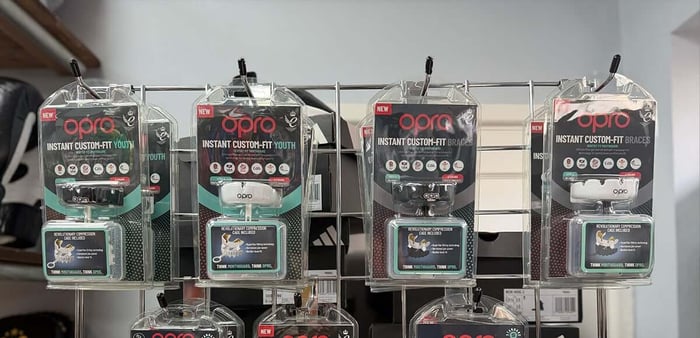
A mouthguard, or gum shield as it is known in most UK gyms, is essential for contact work. It helps protect your teeth and mouth. Get the fit right: a guard that moves around or needs constant clenching is a poor choice for rounds.
Boil-and-bite guards mould at home using hot water. The OPRO Instant Custom-Fit Mouthguard adds a fitting cage, while the SafeJawz Intro Series Mouthguard is another home-fitted option. Both are retail alternatives to a dentist-made custom guard, not the same fitting process. Follow the instructions for the exact model.
For our full ranked breakdown including a SafeJawz vs OPRO comparison table, picks for fighters with braces, and a step-by-step fitting guide, read our best boxing mouthguards and gum shields for sparring and competition guide.
Hand Wraps
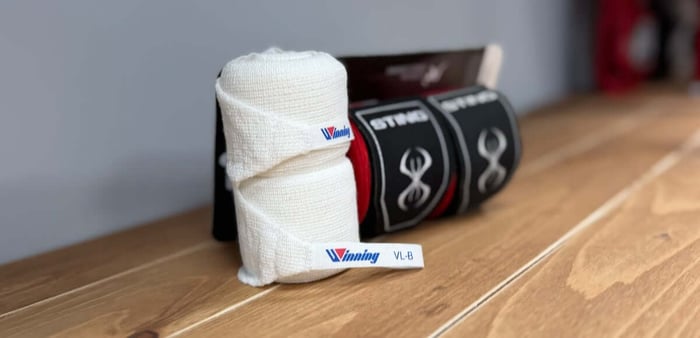
Hand wraps cushion the knuckles and support the hand and wrist inside the glove. No amount of glove padding replaces a properly applied wrap. Keep the layers smooth and check that you can close your fist without tingling or excess pressure.
Wraps come in three main types: traditional cotton, semi-elastic Mexican-style, and fast wraps or inner gloves for quick sessions. Length matters too. The STING Elasticised Hand Wraps 3m And 4.5m offers a choice of 3m or 4.5m: choose enough material for your hand and wrapping method without crowding the glove. Check competition wrapping rules separately.
For a full guide covering every material type, a top picks table, and a step-by-step guide on how to wrap your hands for boxing correctly, read our best boxing hand wraps guide.
Boxing Headgear
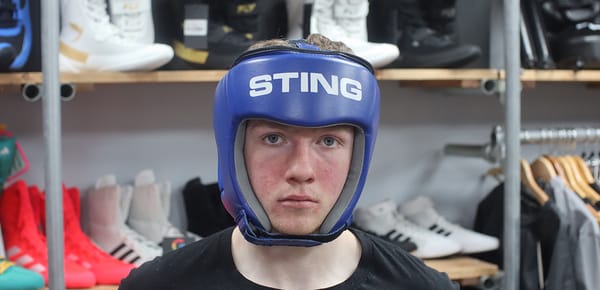
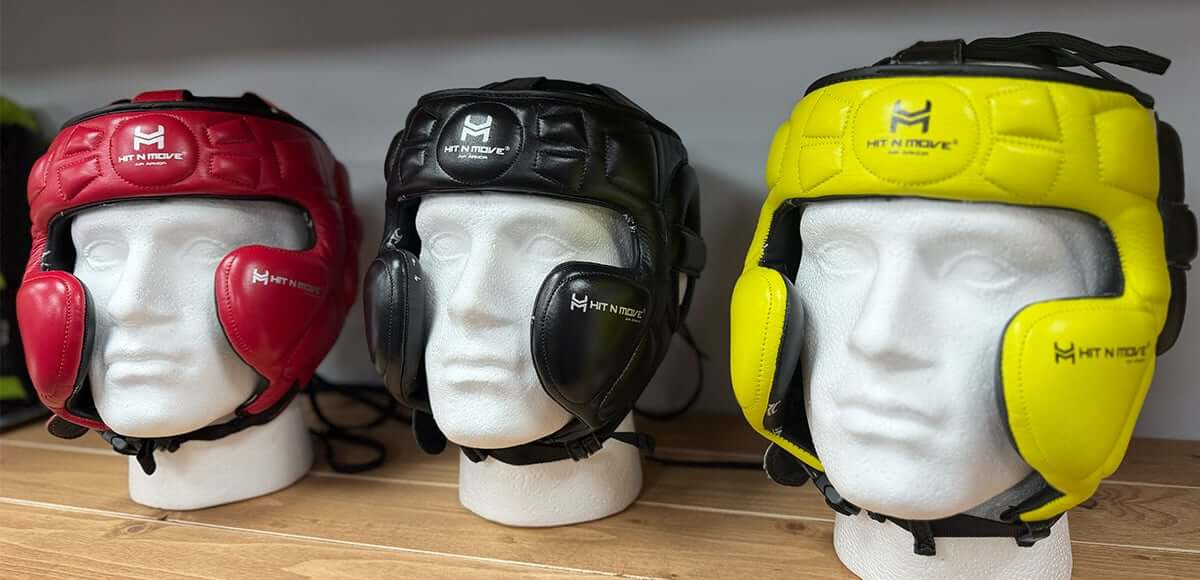
Headgear can reduce facial cuts. The Rival RHG2 Hybrid Headgear adds cheek coverage, but it is not a substitute for controlled sparring and should not be relied on to prevent concussion.
Three styles serve different needs. Open-face headgear leaves the central face clear. Cheek-protector headgear adds padded panels beside the nose without a face bar. A face saver adds a front bar, trading extra coverage for more bulk and possible restriction of the view. Returning after a facial injury needs appropriate medical clearance, not just a different headguard.
For our full ranked guide including a comparison table, concussion research, and competition approval information, read our best boxing headgear for sparring and competition guide.
Groin Protectors
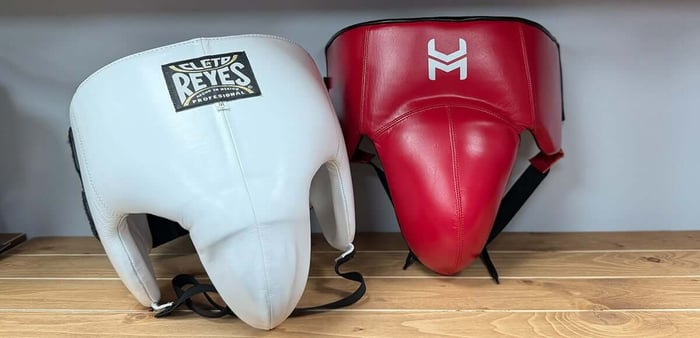
A groin protector, also called a foul protector or no-foul protector, is mandatory in competition and essential in sparring. Accidental low shots are common in close-range exchanges. The difference between a quality guard that stays in position and a cheap one that shifts is the difference between a session that continues and one that ends early.
Options range from entry-level guards for beginners to full leather professional foul protectors with extended kidney coverage for hard sparring.
For our ranked picks, a brand comparison table, and competition approval guidance, read our best boxing groin guards and foul protectors guide.
Body Protectors
Body protectors give coaches and pad holders a padded target for body-shot drills. If you work with several fighters in a day, choose coverage and a fastening you can wear comfortably through those sessions. Padding and shell construction differ by model, so compare the target areas and how securely the protector sits before introducing full-power shots.
For our full guide covering what separates a professional-grade coaching body protector from an entry-level one, along with ranked picks, read our best boxing body protectors guide.
Chest Protectors for Female Boxers
A chest protector adds coverage over the breast area during contact work. Check whether your gym or event requires or permits it. A proper fit sits securely under a boxing vest without restricting arm movement or breathing.
Female-specific pelvic protectors are also available. Check the event requirements before buying and browse our amateur boxing equipment collection for the relevant equipment.
A Note on Boxing Gloves
Boxing gloves are covered in detail across our dedicated gloves guides. Within this protective gear guide, gloves are mentioned in context only. Browse our boxing gloves collection for sparring gloves, bag gloves, and competition options matched to your weight and training type.
Boxing Protective Gear by Training Type
Your gear requirements change depending on what you are doing in any given session.
Bag work: Hand wraps and bag gloves are the core requirement. A mouthguard is good practice even without a partner.
Pad work: Hand wraps, gloves, and a mouthguard for the fighter. Coaches holding pads should consider wearing a body protector. The force of full-power shots across a long pad session adds up quickly.
Sparring: bring hand wraps, suitable sparring gloves, a fitted gum shield and the head, groin or pelvic protection your gym requires. Confirm any chest-protector requirement. For adult sparring, 16oz is standard below 90kg, subject to coach or gym rules. Adults under 65kg may use 14oz only where the coach or gym permits it. At 90kg and above, 18oz is standard, subject to coach or gym rules. Do not use 8oz, 10oz or 12oz for adult sparring. Juniors need age-appropriate coach guidance.
Amateur competition: bout gloves are supplied at ringside. Confirm the required mouthguard, headguard and body protection with your coach or organiser for your age group and event. Rules and accepted models depend on the governing body and competition.
Professional competition: the promoter supplies the bout gloves. Their weight follows the contest’s division and rules, not a general bodyweight chart. Confirm the mouthguard and groin-protection requirements with the officials; headgear is not worn for bouts.
What Protective Gear Do You Need at Every Stage?
Beginners (first six months): Your core requirement is a mouthguard or gum shield, two pairs of hand wraps, and training gloves. Headgear and a groin guard can wait until your coach clears you for contact.
Intermediate (starting to spar): get your coach to check your headgear, groin or pelvic protection, gum shield and a dedicated pair of sparring gloves before the first session. Use the full adult weight guidance above, and confirm any chest-protector requirement.
Advanced and competing: match the equipment to your training load. A secure gum shield, comfortable headgear and a foul protector that stays put matter more than a premium label. Gear that compresses, shifts or breaks down under training needs attention.
Coaches and trainers: a body protector is useful when your pad drills include body shots. Choose the coverage and fastening for the drills you hold, agree the targets and intensity, and stop if the equipment shifts or a drill causes pain.
Common Boxing Protective Gear Mistakes
These are the errors that cost fighters and coaches training time and cause preventable injuries. For a detailed look at how each piece of gear reduces specific injury risks, read our boxing gear to prevent injuries guide.
Sparring in bag gloves: bag-only gloves are not built for partner contact. Use suitable sparring gloves in the correct weight and condition. For adult sparring, 16oz is standard below 90kg, subject to coach or gym rules. Adults under 65kg may use 14oz only where the coach or gym permits it. At 90kg and above, 18oz is standard, subject to coach or gym rules. Do not use 8oz, 10oz or 12oz for adult sparring.
Skipping hand wraps: The most common mistake in gym boxing. Wraps are not optional. Without them, the structural support your hands need is missing regardless of how good your gloves are.
Using a poorly fitted gum shield: a guard that slips or needs constant clenching is a poor choice, whatever it costs. Spend time getting the mould and retention right before contact training.
Not replacing worn gear: compressed headgear foam, degraded mouthguard material and a groin guard that has lost its shape need attention. Inspect the equipment regularly and replace it when its condition calls for it.
Ignoring groin protection until it is too late: Many gym fighters skip the groin guard until an accidental low shot teaches them otherwise. Do not learn this lesson the hard way.
Buying for the wrong job: compare the intended use, padding, fit and fastening before price. A more expensive label does not turn a bag glove into a sparring glove or make worn equipment suitable for contact.
Competition Regulations: Amateur and Professional
For amateur competition, follow the current rules of your event’s governing body and organiser. Confirm the approved equipment, age category and what is supplied before buying. Membership of World Boxing does not make every retail model acceptable at every domestic event.
At international level, some competitions may still fall under IBA jurisdiction depending on the event and federation. Always confirm the governing body for your specific competition before purchasing approved gear.
Professional boxing has separate contest arrangements. The promoter supplies the bout gloves, and their weight follows the division and applicable rules. Fighters also need the required mouthguard and groin protection; no headgear is worn for bouts.
Understanding which body governs your competition before you buy protects you from purchasing gear that will not pass equipment check on the day.
Where to Go Next
Browse by category or read the dedicated guide for each piece of protective gear:
Mouthguards and gum shields: best boxing mouthguards and gum shields for sparring and competition guide | boxing mouthguards collection
Hand wraps: best boxing hand wraps guide (includes step-by-step wrapping technique) | hand wraps and tape collection
Headgear: best boxing headgear for sparring and competition guide | boxing headgear collection
Groin guards and foul protectors: best boxing groin guards and foul protectors guide | groin guards collection
Body protectors: best boxing body protectors guide | boxing protective gear collection
Female competition gear: amateur boxing equipment collection
Full protective gear range: Browse the full boxing protective gear collection -- every product is selected for real sparring and fight preparation, not casual training.
FAQs
What protective gear is essential for boxing sparring?
Bring suitable sparring gloves, wraps and a fitted gum shield, plus the head, groin or pelvic protection required by your gym. Confirm any chest-protector requirement. For adult sparring, 16oz is standard below 90kg, subject to coach or gym rules. Adults under 65kg may use 14oz only where the coach or gym permits it. At 90kg and above, 18oz is standard, subject to coach or gym rules. Do not use 8oz, 10oz or 12oz for adult sparring. Juniors follow age-appropriate coach guidance.
Do professional boxers wear headgear in training?
Many professional boxers use headgear during sparring to limit cuts and facial damage between camps. It is removed for bouts. Training requirements vary by gym and session; headgear should not be relied on to prevent concussion.
What is the difference between a mouthguard and a gum shield?
Nothing. In UK boxing, the two terms are used interchangeably. Both refer to the protective device worn over the upper teeth during training and competition.
What groin protection do female boxers need?
Female fighters do not use traditional cup-style guards. Instead, they wear a pelvic protector designed for female anatomy, providing padded coverage over the lower abdomen and pelvic region. Some sanctioning bodies mandate these for competition.
Who sets the equipment rules for an amateur boxing event?
The event’s governing body and organiser set the applicable requirements. Ask your coach which rules and approved models apply to your age group and category. A federation affiliation does not replace the event’s equipment check.
What are the most common boxing protective gear mistakes?
Sparring in bag-only gloves, poor wrapping, a poorly fitted gum shield, keeping worn gear and forgetting the protection your coach requires. Check the kit before contact, not after something shifts in a round.