Table of Contents
- What is the best boxing body protector?
- What Is a Boxing Body Protector and Who Needs One?
- Body Protectors, Belly Pads, and Rib Guards: What Is the Difference?
- Best Boxing Body Protectors at a GlanceProtectorRoleProtection LevelPriceRival Body ProtectorProfessional coaching / high-volume pad workProfessional£389.99Pro Box Hi-Impact Coaches Body ProtectorCoach / pad holderProfessional coaching£119.99
- Who Actually Needs a Boxing Body Protector?
- What Separates a Professional-Grade Body Protector
- Ranked Picks: Pros, Cons, and Best For
- How to Choose the Right Boxing Body Protector
- Common Boxing Body Protector Mistakes
- Body Protectors by Training Role
- Which Body Protector Should You Buy?
- FAQs
What is the best boxing body protector?
The best boxing body protector depends on your role in training:
- Coaches and pad holders: Pro Box Hi-Impact Coaches Body Protector (£119.99)
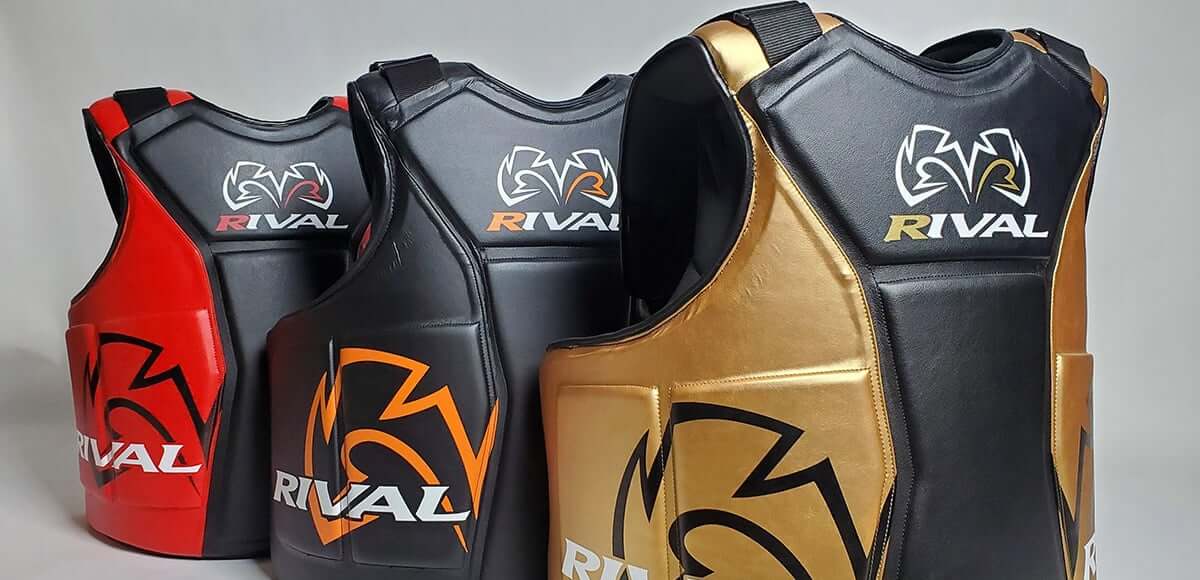
- High-volume coaching or professional gyms: Rival Body Protector (£389.99)
Boxing body protectors are designed primarily for coaches and pad holders, not fighters. Their role is to absorb repeated punch volume during pad work sessions, not to be worn during standard sparring.
For the full overview of boxing protective equipment, see our complete boxing protective gear guide.
What Is a Boxing Body Protector and Who Needs One?
A boxing body protector is padded torso protection worn by coaches and pad holders to absorb punches during pad work.
This is its primary and intended use.
A coach may take hundreds of body shots in a single session across multiple fighters. A proper coaching body protector distributes that force across layered padding, protecting the ribs, solar plexus, and abdomen from cumulative impact.
Body protectors are not standard boxing equipment for fighters. In sparring, fighters rely on headgear, mouthguards, and groin protection. Body protectors serve a different role entirely.
For a full breakdown of all protective gear, see our complete boxing protective gear guide.
Body Protectors, Belly Pads, and Rib Guards: What Is the Difference?
These terms are often confused, which leads to poor buying decisions.
Body protectors
Full-torso units covering the chest, ribs, and abdomen. Designed for coaches absorbing repeated punches during pad work.
Boxing belly pads
Smaller protectors focused on the midsection. Lighter and less bulky, suited to shorter mitt sessions or coaches who want mobility over full coverage.
The key distinction:
A body protector is built for volume absorption, while a belly pad is a lighter alternative for lower-intensity sessions.
Best Boxing Body Protectors at a Glance
| Protector | Role | Protection Level | Price |
|---|---|---|---|
| Rival Body Protector | Professional coaching / high-volume pad work | Professional | £389.99 |
| Pro Box Hi-Impact Coaches Body Protector | Coach / pad holder | Professional coaching | £119.99 |
Browse the full boxing protective gear range to see all available options.
Who Actually Needs a Boxing Body Protector?
Coaches and Pad Holders
A boxing body protector is built for absorbing volume.
A single session can involve hundreds of body shots across multiple fighters. The protector must:
- distribute impact across the torso
- resist foam compression
- stay stable during movement
This is why body protectors are standard equipment for coaches.
Fighters (Clarification)
Body protectors are not standard boxing equipment for fighters.
In normal sparring, fighters rely on:
- headgear
- mouthguards
- groin protection
Some fighters may use additional torso protection in controlled drills, but this is not common practice and should not be treated as essential gear.
What Separates a Professional-Grade Body Protector
Coverage area
A proper protector covers the ribs, solar plexus, and lower abdomen. Gaps at the sides reduce protection during angled shots.
Padding density
Multi-layer foam is essential. It absorbs initial impact and distributes force. Single-density padding compresses quickly under heavy use.
Shell construction
Leather offers durability and longevity. Synthetic materials are lighter but degrade faster under repeated impact.
Strap system
Wide, adjustable straps keep the protector locked in place. Poor strap systems lead to shifting during sessions.
Ranked Picks: Pros, Cons, and Best For
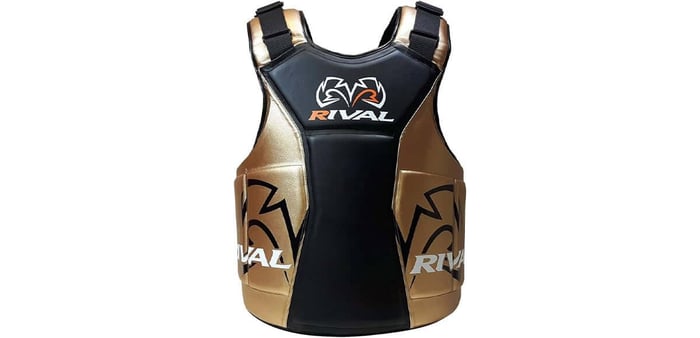
Rival Body Protector — £389.99
A top-tier option built for professional coaching environments and high-volume pad work. Multi-layer foam and full torso coverage provide maximum durability and protection.
Pros:
- Multi-layer foam maintains protection under sustained use
- Full coverage across ribs, sternum, and abdomen
- Secure strap system prevents movement
- Built for long-term durability
Cons:
- Premium price point
- Heavier than mid-range options
- Overkill for low-volume coaching
Fit and feel:
Solid and secure. Designed to absorb heavy shots without shifting or breaking down.
Best for:
Coaches working high-volume sessions or professional gyms requiring maximum durability.
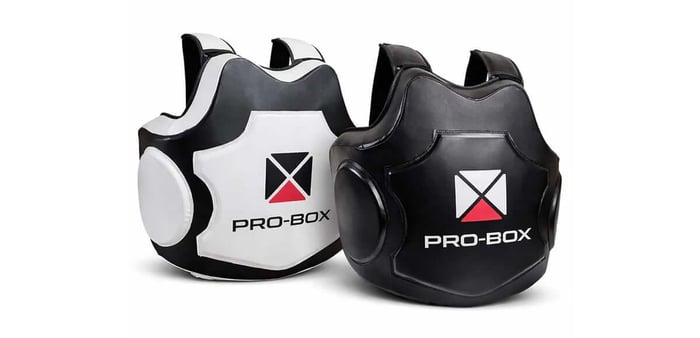
Pro Box Hi-Impact Coaches Body Protector — £119.99
Purpose-built for coaches needing reliable protection at a more accessible price point. High-density foam and reinforced stitching handle repeated impact well.
Pros:
- Designed specifically for coaching use
- Good impact absorption for regular sessions
- Strong value for price
- Full torso coverage
Cons:
- Synthetic construction has a shorter lifespan than leather
- Bulkier than lighter alternatives
- Not suited for extremely high-volume environments long term
Fit and feel:
Stable and well-padded. Comfortable across longer sessions.
Best for:
Coaches and pad holders working regular sessions who need dependable protection without premium pricing.
How to Choose the Right Boxing Body Protector
Your role
- Coach → full body protector (primary use case)
Your training volume
- High-volume pad work → premium multi-layer foam
- Moderate coaching → mid-range options
Your coverage requirement
- Full sessions → full torso coverage
- Short sessions → belly pad may be sufficient
Common Boxing Body Protector Mistakes
- Using body protectors as sparring gear: They are not designed for fighters in standard sparring.
- Coaches holding pads without protection: Repeated body shots cause cumulative damage over time.
- Not replacing compressed padding: Flattened foam reduces protection significantly.
- Buying for the wrong role: Always choose based on coaching use, not fighter use.
- Confusing groin guards with body protectors: These serve completely different purposes and are not interchangeable.
Body Protectors by Training Role
Coaches (all levels)
Pro Box Hi-Impact Coaches Body Protector
High-volume or professional coaching environments
Rival Body Protector
Which Body Protector Should You Buy?
You are a coach or pad holder:
Buy the Pro Box Hi-Impact Coaches Body Protector. It delivers reliable protection and strong value for regular training.
You are working high-volume or professional sessions:
Buy the Rival Body Protector. Built for durability and long-term performance.
Not sure yet:
Browse the full boxing protective gear collection at Fight Gear — every product is selected for real training environments, from pad work to fight preparation.
FAQs
Can I use a body protector for sparring?
No. Body protectors are designed for coaches and pad holders. Fighters should use proper sparring gear such as headgear, mouthguards, groin protection, and hand wraps.
How often should I replace a body protector?
Coaches training multiple days per week should check padding every 6–12 months and replace if compression is noticeable.
How do I clean and store a body protector?
Wipe down after each session with antibacterial cleaner. Air dry fully. Store flat or hanging to avoid foam compression.
What is the difference between a body protector and a belly pad?
A body protector covers the full torso. A belly pad protects only the midsection and is lighter and less bulky. For lower body protection, see our guide to the best boxing groin guards.