Open Face vs Cheek Protector vs Face Saver Headguards Explained
Understanding the different types of boxing headguards is essential if you want the right level of protection for your training or competition.
Open face, cheek protector and face saver (bar) headguards all offer different balances of:
• Visibility
• Facial coverage
• Weight
• Competition legality
In UK boxing gyms and amateur competition, selecting the correct style depends on whether you’re sparring, competing or preparing for high-intensity rounds.
This guide explains the three main types of boxing headguards used in the UK — and which one suits your level.
If you’re browsing available models, explore our full Boxing Headguards collection.
Why Boxing Headguards Matter
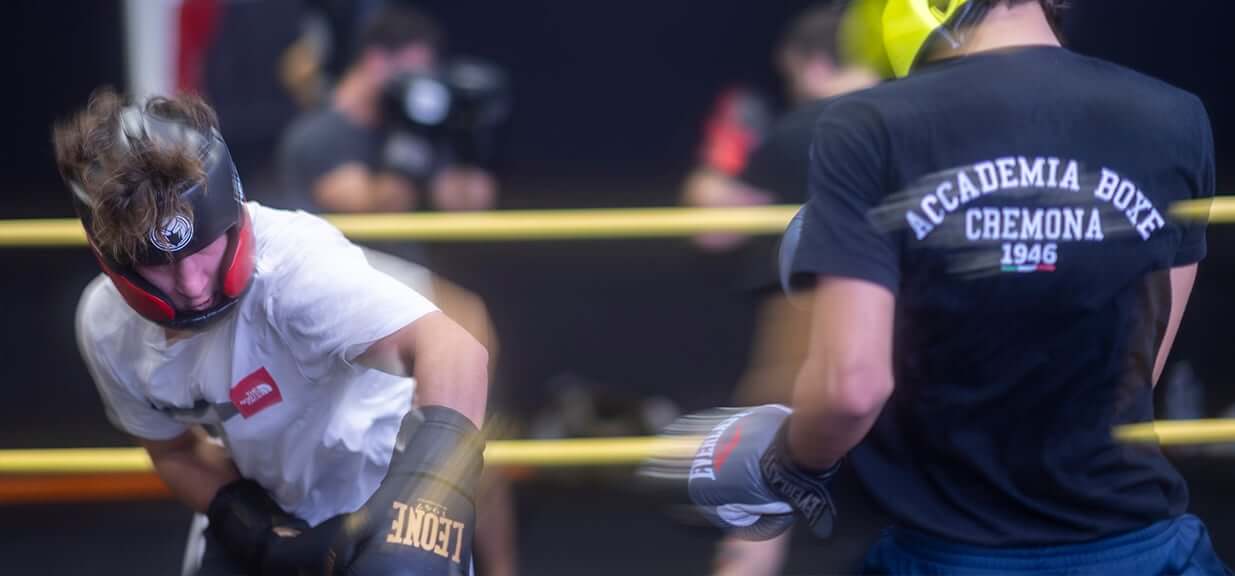
Headgear helps reduce facial cuts during sparring. It should not be relied on to prevent concussion.
A quality headguard should:
• Reduce cuts and swelling
• Protect brow and cheek areas
• Fit securely without shifting
• Maintain adequate vision
Different styles prioritise protection versus visibility differently.
Let’s break them down properly.
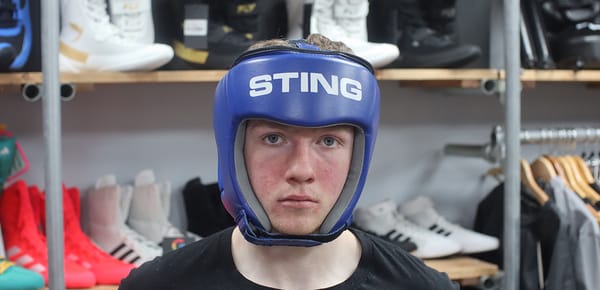
1. Open Face Headguards
What Is an Open Face Headguard?
Open Face headguards protect:
• Forehead
• Temples
• Back of the head
They leave:
• Cheeks exposed
• Nose exposed
• Chin open
They leave the central face open, giving a clear forward view. For competition, confirm the exact approved model and your event’s current rules.
Who Should Use Open Face Headguards?
Amateur Boxers (UK Competition)
Amateur headguard requirements depend on the event, age group and category. Check:
• The governing body and event rules
• Your age group and category
• The exact model and colour accepted
Confirm what the organiser supplies and what you must bring before buying competition equipment.
Advantages
• Maximum visibility
• Lightweight design
• Competition-approved models available
• Encourages defensive awareness
Considerations
• Less facial coverage
• Not ideal for heavy sparring
• Requires solid defensive skills
Recommended for Amateur Progression
If you’re preparing for amateur boxing, competition-approved models are essential.
Structured open face headguards from brands like Sting and Adidas are widely used across UK amateur pathways due to their balance of visibility and regulated protection.
If you are preparing for sanctioned competition, read our Amateur Boxing Equipment for Competitions guide to understand compliance requirements.
2. Cheek Protector Headguards
What Is a Cheek Protector?
Cheek protector headguards add structured padding over:
• Cheekbones
• Upper jaw line
They still leave:
• Nose open
• Mouth visible
• Vision largely unobstructed
They are the most popular option for regular sparring.
Who Should Use Cheek Protectors?
• Intermediate boxers
• Regular sparring athletes
• Boxers increasing training intensity
They provide more facial protection than open face models while maintaining strong visibility.
Advantages
• Improved cheekbone protection
• Better cut prevention
• Balanced vision and safety
• Suitable for moderate to heavy sparring
Considerations
• Slightly heavier than open face
• Reduced peripheral vision compared to competition models
Cheek protectors are often the “middle ground” choice for most club-level boxers.
3. Face Saver (Bar) Headguards
What Is a Face Saver Headguard?
Face Saver headguards (also called bar headguards) include a reinforced padded bar across the front of the face.
They protect:
• Nose
• Cheeks
• Chin
• Brow
• Temples
The front bar adds coverage and clearance in front of the nose. It cannot guarantee that a nose or eye injury will be prevented.
Who Should Use Face Saver Headguards?
• Advanced boxers
• Professional fighters in camp
• Boxers who prefer front-bar coverage for sparring
• Boxers who prefer a front bar and can maintain a clear view
Check the model’s intended use with your coach. A face saver is not a way to bypass medical clearance after a facial injury, and extra coverage is not permission to spar harder.
Advantages
• Extra coverage across the front of the face
• Added clearance in front of the nose, depending on fit
• Front coverage for boxers who prefer a bar design
• A padded bar between the incoming glove and the front of the face
Considerations
• Heavier than other styles
• Reduced peripheral vision
• Check the exact event rules before considering one for competition
Face savers prioritise front coverage, with a trade-off in bulk and visibility.
How to Choose the Right Headguard
Ask yourself:
Are you competing in amateur boxing?
An open-face competition model may be the relevant choice; confirm the exact event requirements before buying.
Are you sparring regularly at club level?
A cheek protector is the most balanced option.
Have you recently had a facial or head injury?
Get appropriate medical clearance before returning to contact. A face saver is not a substitute for that decision.
Fit Matters More Than Brand
A headguard should:
• Sit tight without slipping
• Not obstruct your eyes
• Stay stable during movement
• Not tilt when absorbing impact
Loose headgear reduces protection significantly.
Always adjust:
• Chin strap
• Rear strap
• Top lace (if applicable)
Structure and fit are more important than branding.
Maintaining Your Headguard
To extend lifespan:
• Wipe down after every session
• Air dry fully (avoid radiators)
• Store in a dry environment
• Never seal damp gear in your gym bag
Proper care prevents odour and padding breakdown.
Final Thoughts
Choose the style for its coverage, fit, visibility and the rules for your session.
• Open Face – Best for amateur competition
• Cheek Protector – Ideal for regular sparring
• Face Saver – Extra front coverage, with a bulk and visibility trade-off
Protection and visibility must be balanced correctly.
If you’re selecting headgear for training or competition, explore our full Boxing Headguards collection to find the right model for your needs. Browse our full Boxing Protective Gear collection to compare options. For a full breakdown of all essential protective equipment, read our complete boxing protective gear guide.
Train smart. Protect properly.
FAQs
What are the different types of boxing headguards?
The main types of boxing headguards are open face, cheek protector and face saver (bar) headguards. Each offers different levels of facial coverage and visibility.
Which headguard is used in amateur boxing?
Check the governing body, age category and exact model requirements for your event. Open-face competition models leave the central face clear, but a style name alone does not establish approval.
Are face saver headguards better?
A face saver adds front-bar coverage, with a trade-off in bulk and visibility. It can suit boxers who prefer that design, but does not justify harder contact. Check the exact event rules for competition.
Do boxing headguards prevent concussion?
Headguards can help reduce facial cuts, but should not be relied on to prevent concussion. Stop contact and seek medical assessment if concussion is suspected.
Which headguard is best for sparring?
For most club-level sparring, a cheek protector headguard offers the best balance of facial protection and visibility.