Table of Contents
- What are the best boxing hand wraps?
- What Do Boxing Hand Wraps Do?
- Why Hand Wraps Are Non-Negotiable
- Hand Wrap Material Breakdown
- Boxing Hand Wraps: Quick Comparison
- 3m vs 4.5m: Which Length Do You Need?
- How to Wrap Your Hands for Boxing: Step-by-Step
- Top Hand Wrap Picks: Pros, Cons, and Best For
- How to Choose the Right Hand Wraps
- Gel Inner Gloves vs Traditional Wraps
- Common Hand Wrap Mistakes
- Hand Wraps by Skill Level
- Wrap Care and Replacement
- FAQs
What are the best boxing hand wraps?
The best boxing hand wraps depend on your experience level and training context:
- Low-stretch cloth wraps: ADIDAS Hand Wraps (2.55m or 4.5m)
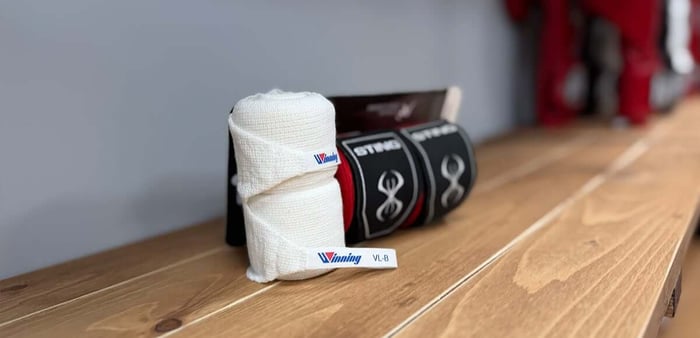
- Elasticised cloth wraps: STING Elasticised Hand Wraps (3m or 4.5m)
- Elastic cotton wraps: BOXRAW Handwraps (3m or 4.5m)
- Quick-wrap design: Fortress T1 Fastwraps
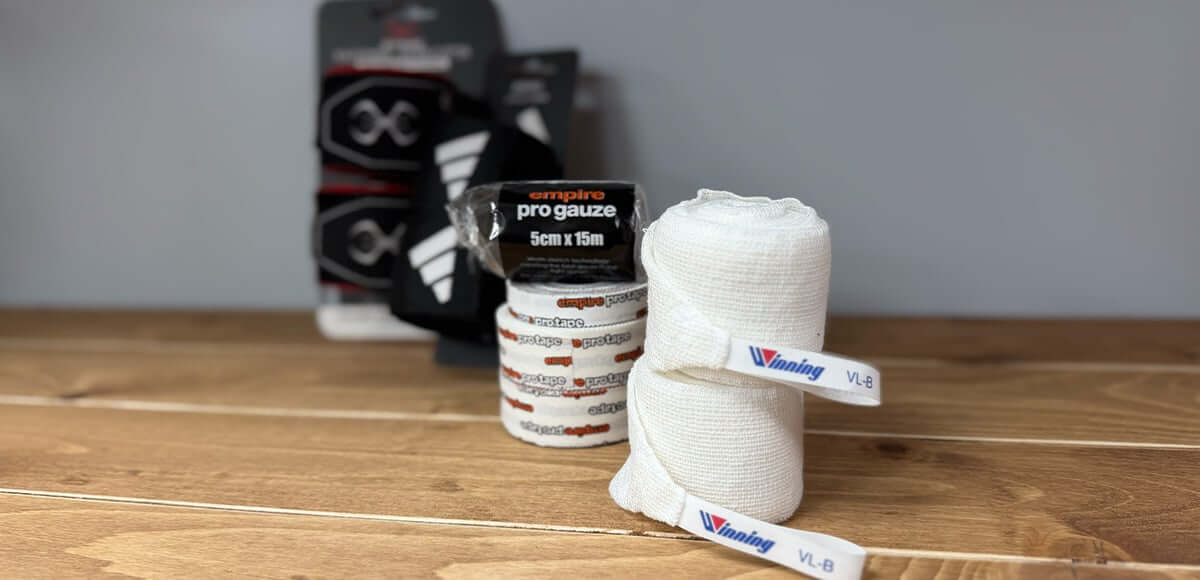
- Gauze and tape for supervised wrapping: Empire Pro Tape Handwrap Kit
Browse our full selection of boxing hand wraps and tape, or read on for the complete breakdown. For the full overview of all boxing protection, see our complete boxing protective gear guide. Browse our full Boxing Protective Gear collection to compare options.
What Do Boxing Hand Wraps Do?
Boxing hand wraps support the hand and wrist, add a layer over the knuckles, and help you get a secure fit inside your gloves. No glove replaces a properly applied wrap. Use wraps alongside good punching technique, not as a guarantee against injury.
Why Hand Wraps Are Non-Negotiable
When you throw a full-power punch, force travels back through your knuckles, through the metacarpals, and into the wrist. Hand wraps manage that force in three ways.
First, they support the wrist. A loose wrist can bend on impact. A properly applied wrap should feel supportive without restricting circulation or stopping you closing your fist.
Second, they pad the knuckle ridge. The knuckles take concentrated pressure even inside a well-cushioned glove. Wraps distribute that load across a wider surface.
Third, they hold the wrapping layers in place around the hand. Passes between the fingers help keep the knuckle padding from shifting inside the glove.
Wraps go on before gloves. Every session. No exceptions.
Hand Wrap Material Breakdown
Mexican-style (semi-elastic): Blend of cotton and elastic fibre. Conforms tightly to the hand without bunching, moulding around each knuckle and settling snugly at the wrist. The most popular choice among serious fighters. Precise compression, reliable support, clean fit inside the glove.
Traditional cotton: Firmer and less forgiving. No stretch, so your technique needs to be deliberate. Durable, wash well, and provide solid knuckle padding.
Elastic cotton: Fully elastic, the easiest type to apply. Stretch significantly and bounce back into shape. Good for beginners still developing technique. The forgiveness compensates for inconsistency in application.
Gel inner gloves: Slip-on with gel padding over the knuckles. Fast to apply, no technique required. Less wrist support than any cloth wrap. Covered in detail in the gel vs cloth section below.
Boxing Hand Wraps: Quick Comparison
| Wrap | Material | Length | Wrapping Method | Best For | Price Range |
|---|---|---|---|---|---|
| ADIDAS Hand Wraps | Low-stretch cotton | 2.55m or 4.5m | Hand-applied cloth | Reusable training wrap | Budget |
| STING Elasticised Hand Wraps | Elasticised cloth | 3m or 4.5m | Hand-applied cloth | Reusable training wrap | Mid-range |
| BOXRAW Handwraps | Elastic cotton | 3m or 4.5m | Hand-applied cloth | Reusable training wrap | Mid-range |
| Fortress T1 Fastwraps | Foam and mesh | Small, Medium, Large | Quick-wrap design | Convenient application; check fit | Mid-range |
| Empire Pro Tape Handwrap Kit | Gauze and tape | See pack contents | Coach-applied gauze and tape | Supervised wrapping; check event rules | Professional |
3m vs 4.5m: Which Length Do You Need?
3m (120-inch) wraps can suit smaller hands. Enough material to cover the wrist, knuckles, and thumb without multiple finger passes. Faster to apply and less bulk inside the glove. Good for beginners learning the technique.
4.5m (180-inch) wraps are the standard for most adult fighters doing bag work, sparring, or competition preparation. The extra length allows individual passes between each finger, thicker knuckle padding, and more wrist passes for maximum stability. Choose enough length for your hand and wrapping method without making the glove too tight.
When in doubt, try the finished wrap inside your glove. You can always reduce wrist passes. You cannot add material that is not there.
How to Wrap Your Hands for Boxing: Step-by-Step
A high-quality wrap applied poorly offers little structural support. This is the standard method used across UK boxing gyms.
Step 1 -- Loop over the thumb. Start with your hand flat and fingers spread. The loop anchors the wrap and stops it riding down during the session.
Step 2 -- Wrap the wrist. Wind the wrap around your wrist three times, moving away from your thumb. Snug but not tight enough to cut circulation. You should be able to make a fist without discomfort.
Step 3 -- Wrap the knuckles. Bring the wrap up over the back of the hand and across the knuckles three times. Hold your hand in a loose fist as you wrap. This locks padding over the striking surface.
Step 4 -- Wrap between the fingers. With a 4.5m wrap, pass the material between each pair of fingers from the little finger to the index finger. This helps keep the knuckle layers in place. Adjust the number of passes to your hand and wrap length, with your coach checking the finished result.
Step 5 -- Cross the palm. Bring the wrap diagonally across the palm and back around the wrist. Repeat two to three times to reinforce the arch of the hand.
Step 6 -- Finish at the wrist. Wind the remaining material around the wrist and secure with the velcro closure. Every part of the hand should feel compressed and stable. Fingers should not tingle or go numb.
A correctly wrapped hand takes under a minute once the technique is habit. Start with a mirror and five minutes per hand.
For the full sequence and fit checks, follow our step-by-step guide to wrapping your hands.
Top Hand Wrap Picks: Pros, Cons, and Best For
ADIDAS Hand Wraps
Pros:
- Low-stretch woven cotton
- Thumb loop to start the wrap
- Hook-and-loop fastening
- Listed in 2.55m and 4.5m lengths; check current options
Cons:
- Needs a practised wrapping technique
- Extra layers add bulk inside the glove
- Check the current length and colour options
Fit and feel: Apply the low-stretch material with even tension. Check that you can close your fist comfortably inside your gloves.
Best for: Boxers who want a reusable low-stretch cloth wrap and are prepared to practise the wrapping method.
STING Elasticised Hand Wraps
Pros:
- Elasticised construction
- Listed in 3m and 4.5m lengths
- Reusable cloth wrap
- Check the current colour and length options
Cons:
- Requires a practised wrapping technique
- The length needs to suit your hand and wrapping method
Fit and feel: Apply the elasticised material with even tension and check that it does not bunch inside your glove.
Best for: Boxers comparing reusable elasticised wraps in 3m and 4.5m. For competition, confirm the event’s wrapping rules with your coach. Explore the full STING boxing range.
BOXRAW Handwraps
Pros:
- Elastic cotton construction
- Thumb loop to start the wrap
- Hook-and-loop fastening
- Listed in 3m and 4.5m lengths; check current options
Cons:
- Requires a practised wrapping technique
- Check availability of your preferred length and colour
Fit and feel: Apply the elastic cotton evenly and check the finished wrap inside your glove. Avoid pulling it so tight that your fingers tingle or go numb.
Best for: Boxers who want an elastic cotton wrap and a choice of listed lengths and colours.
Fortress T1 Fastwraps
Pros:
- Quick-wrap design
- Rigid foam padding
- Breathable mesh and hook-and-loop straps
Cons:
- Choose the correct size for your hand
- Check the fit inside your normal gloves
- Ask your coach whether the fit and wrapping method suit the planned session
Fit and feel: The foam and mesh construction has a different feel from a hand-applied cloth wrap. Check the size and strap adjustment with your gloves on.
Best for: Boxers who value quick application and have checked the fit and intended use with their coach.
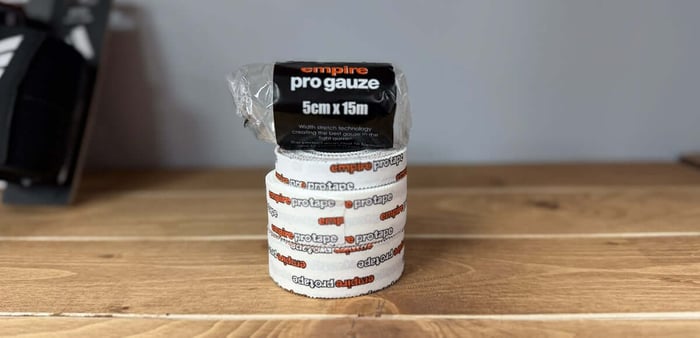
Empire Pro Tape Handwrap Kit
Pros:
- Rigid cotton tape
- Stretch gauze for building the wrap
- Pack contents are listed on the product page
Cons:
- Tape and gauze need replenishing after use
- Application requires suitable wrapping knowledge
- Check the current kit availability and event rules before ordering
Fit and feel: Gauze and tape allow a coach or cutman to build the wrap around the hand. The result depends on the application and must comply with the relevant event rules.
Best for: Boxers whose coach or cutman uses gauze and tape for supervised wrapping. Confirm the rules for any competition before use.
How to Choose the Right Hand Wraps
Your level: A cloth wrap still needs good technique, whether you choose low-stretch ADIDAS wraps or an elasticised option. Ask your coach to check the finished wrap and its fit inside your glove.
Your hand size: Smaller hands may suit 3m. Larger hands often need 4.5m for the same wrapping method.
Your training type: Bag work and heavy sparring benefit from the thicker knuckle coverage of a full 4.5m wrap. Quick technique sessions and pad work can use fast wraps or inner gloves.
Your priorities: Compare how the wrap is applied, how it fits inside your glove and whether it suits the session. A fast wrap is quicker to put on; gauze and tape require appropriate application. Ask your coach to check your choice.
Gel Inner Gloves vs Traditional Wraps
Gel inner gloves, such as the Pro Box Gel Knuckle Protectors and Pro Box Super Inner Gloves with Gel Knuckle, slip on in seconds. No technique required. For a lunchtime session, a technique class, or back-to-back coaching, they are a practical convenience.
The trade-off is wrist support. Gel gloves focus protection on the knuckles and offer minimal compression at the wrist. For regular bag work and sparring, cloth wraps let you tailor the coverage. If you have wrist pain or an existing injury, get it assessed before returning to punching.
The most effective approach for many fighters is using both: gel gloves for light pad work and technique, cloth wraps for bag work, sparring, and competition preparation.
Common Hand Wrap Mistakes
Skipping wraps entirely: An easy mistake to avoid. No level of glove padding compensates for the structural support that wraps provide.
Using wraps that are too short: A wrap that runs out before you have covered your hand and wrist is too short for that method. Try 4.5m if you need more material, then check the fit inside your glove.
Wrapping too tight: Cutting off circulation creates its own problems. Snug and stable, not restrictive.
Not washing wraps regularly: Wraps absorb sweat every session. Without washing, they degrade faster and become a hygiene problem. Wash after every session.
Using worn-out wraps: Once the elastic has gone and the velcro no longer grips, the wrap is not doing its job. Replace according to condition rather than a fixed number of months.
Hand Wraps by Skill Level
Beginner: ADIDAS Hand Wraps are listed in 2.55m and 4.5m. Choose the length for your hand and wrapping method, and have your coach check your technique. If you are also sorting the rest of your kit, see our best boxing headgear for sparring and competition guide and our best boxing mouthguards and gum shields for sparring and competition guide.
Amateur Competitor: STING Elasticised Hand Wraps are one reusable option. Choose the length for your hand and confirm the event’s wrapping rules with your coach.
Professional Fighter: The Empire Pro Tape Handwrap Kit is a gauze-and-tape option for supervised wrapping. Confirm the event rules and current kit availability; STING or BOXRAW cloth wraps are separate reusable options for training.
Wrap Care and Replacement
Washing: Follow the care label after each session. If machine washing is permitted, use a mesh laundry bag and the stated gentle cycle.
Drying: Hang to air dry. Never tumble dry. Heat shrinks the material and degrades the elastic.
Storage: Roll after drying. Keeps them compact, crease-free, and ready for the next session.
When to replace: Once elastic loses its snap, velcro no longer grips, or fabric has thinned around the knuckle area. Check more often if you train four to five times per week.
FAQs
Can I use hand wraps without gloves?
Not for any contact work. Wraps provide no cushioning against bag or pad impact. Always pair with gloves.
How tight should hand wraps be?
Snug and stable but not so tight that fingers tingle or go white. You should make a full fist without discomfort.
Are gel inner gloves good for sparring?
They work for light sparring but provide minimal wrist stabilisation. For hard sparring, cloth wraps are the correct choice.
How do I know if I have wrapped correctly?
Your hand should feel stable when you make a fist, with no loose material inside the glove and no tingling or numbness. If the wrap shifts during a session, re-wrap before continuing.
Do I need different wraps for different sessions?
It helps. Fast wraps or gel gloves for quick technique sessions. Full 4.5m cloth wraps for bag work, sparring, and competition prep. Running two or three pairs in rotation means you always have a clean, dry set ready. Don't forget to protect your teeth too – see our guide to the best boxing mouth guards.