Boxing gloves protect your hands, your training partners and your long-term progress in the sport. Choosing the right pair depends on what you are training for, how much you weigh, and how the glove fits your individual hand. This guide covers every factor that matters, so you can buy with confidence and get straight to work.
If you already know what you need, browse our full range of Boxing Gloves and filter by type, weight or brand.
Which Boxing Gloves Do You Need?
Most people land in one of a handful of categories. The table below gives you a quick starting point based on your primary training activity and bodyweight. For a deeper breakdown of each scenario, read the sections that follow.
| Training Purpose | Under 65kg | Over 65kg | Over 90kg |
|---|---|---|---|
| Sparring | 16oz (14oz if gym permits) | 16oz | 18oz |
| Bags and Pads (beginner) | 14oz | 14-16oz | 16oz |
| Bags and Pads (intermediate/advanced) | 10-12oz or bag mitts | 10-12oz or bag mitts | 12oz or bag mitts |
| Amateur Competition | 10oz (provided ringside) | 12oz (provided ringside) | 12oz (provided ringside) |
| Professional Competition | 8oz or 10oz, determined by weight division (BBBoC rules) | ||
This table is a summary. The qualifiers matter. Read each section below before making a final decision, particularly if you fall near a weight boundary or train across multiple disciplines.
Choose Gloves by Training Purpose
A glove built for sparring is not optimal for bag work, and a bag glove has no place in the ring opposite a training partner. The construction differs in padding density, wrist support and overall shape. Matching the glove to the task protects you and extends the life of your equipment.
Sparring Gloves
Sparring gloves carry more padding across the knuckle area and a wider, softer striking face. The goal is to reduce impact on your partner while still allowing you to work at realistic pace and range. In UK gyms, 16oz is the standard for adults and most coaches will not let you spar in anything lighter unless specific conditions are met.
If you weigh under 65kg, some gyms permit 14oz for sparring. This is always coach and gym dependent. Never assume it applies at a new club without asking first. Fighters over 90kg should train in 18oz to account for the additional force generated at heavier bodyweights.
Our sparring gloves collection is filtered specifically for this purpose.
Bag and Pad Gloves
Bag gloves are denser and more compact. They provide enough padding to protect your knuckles and wrists on impact, but they do not carry the thick cushioning layer designed to protect an opponent. For beginners, a 14oz glove offers a good balance of protection and feedback. More experienced fighters often drop to 10-12oz or dedicated bag mitts for sharper feedback and speed work.
Women commonly find that 10-12oz bag gloves suit their hand size better. The deciding factor is internal fit rather than a blanket weight recommendation. A glove that bunches around the fingers or leaves excess space in the hand compartment will compromise your wrist alignment under load.
For dedicated bag and pad training, see our boxing bag gloves.
All-Round Training Gloves
Some fighters, particularly those just starting out, want one pair to cover bags, pads and light sparring. A 16oz glove with moderate padding density can serve this role in the short term. It will not be the best tool for any single job, but it removes the barrier of buying two pairs before you know whether boxing is for you.
Once you are training three or more times per week, separate gloves become a practical necessity rather than a luxury. The padding in an all-rounder compresses faster because it is absorbing both bag impact and partner work. You will notice the difference within months.
For a full breakdown of glove categories and when each one applies, read our guide on what type of boxing gloves you need.
Choose the Correct Ounce Weight
The ounce rating printed on a boxing glove refers to the total weight of that glove. This includes the outer shell, internal lining, padding layers, closure system and wrist structure. It is not a measurement of padding alone. A heavier glove generally carries more material throughout its construction, which typically means more padding, but the relationship is not as simple as "more ounces equals more cushion."
Ounce weight selection depends on your bodyweight, your training purpose and, for sparring specifically, the rules of your gym. The summary is straightforward. Adults sparring at UK gyms wear 16oz unless a lighter option has been explicitly cleared. Bag work varies more widely depending on experience and goals.
We have a dedicated guide covering every weight bracket in detail: what size boxing gloves should you use. If you are specifically debating between two common sizes, our 14oz vs 16oz comparison answers that question directly.
The key principle is this: never sacrifice safety for speed. A lighter glove feels faster on the bag, but if it leaves your wrist unsupported or your knuckles exposed to cumulative damage, the trade-off is not worth it.
Check the Internal Fit
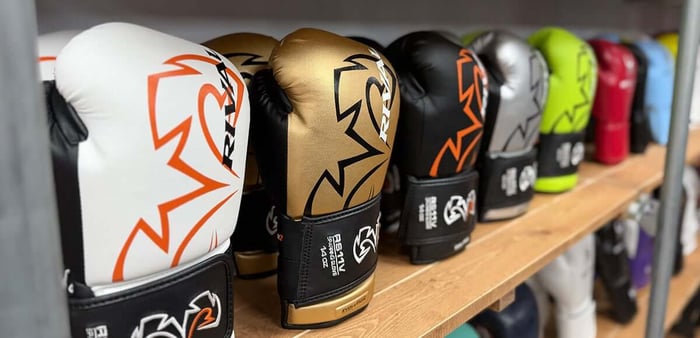
Two gloves can weigh the same and fit completely differently. The internal hand compartment varies between brands and models in width, finger channel length and thumb positioning. A good fit means your fingers reach the end of the compartment without being forced to curl unnaturally, your thumb sits in a neutral position, and there is no bunching of material across the palm.
Hand Wraps and Fit
Always try gloves with your hand wraps on. A standard 4.5m cotton wrap adds bulk across the knuckles and wrist. If you try a glove bare-handed, you will find it tight once wrapped. If you try it with a thick gel inner glove, you may find a standard wrap does not give the same fit. Test with whatever you actually use in training.
Finger and Thumb Position
Your fingertips should contact the end of the padding without excessive pressure. If your fingers are cramped, the glove is too short internally regardless of its ounce weight. If there is a centimetre or more of dead space, your fist will shift on impact and your wrist will take the strain.
The attached thumb should allow a natural fist position. Some models have a straight thumb channel that forces your thumb forward. Others curve it inward. Neither is universally correct. The right choice depends on your hand shape and how you naturally form a fist.
Women's Fit Considerations
Ounce weight and internal fit are separate decisions. A woman who weighs 60kg might need a 14oz sparring glove based on the weight table above, but could require a narrower hand compartment to achieve a secure fit. Some brands offer women-specific models with a smaller internal volume at the same ounce weight. Others run narrow across the board. The priority is a glove that does not shift or rotate when you land a punch. Weight comes first for safety; fit comes second for performance.
Choose Velcro or Lace-Up
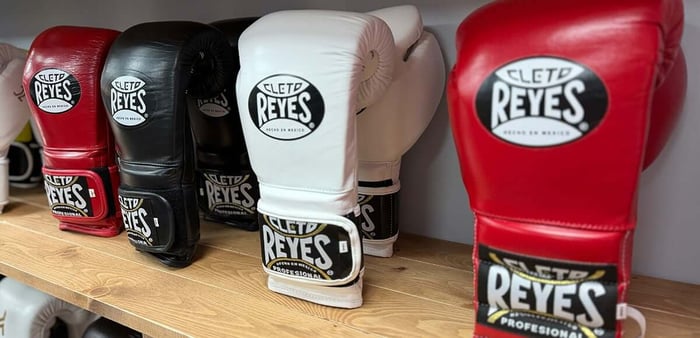
This is a practical decision, not a quality indicator. Both closure systems appear on premium and budget gloves alike.
Velcro (Hook and Loop)
Velcro gloves go on and come off without assistance. You can adjust them between rounds, remove them for a drink, and put them back on alone. For gym training, bag work and pad sessions, velcro is the standard choice. Nearly every fighter in the UK trains in velcro gloves day to day.
The trade-off is that velcro wears over time. The hooks lose grip, the strap stretches, and the closure becomes less secure. This is a maintenance issue rather than a design flaw. When the strap no longer holds the glove firm around your wrist, it is time for replacement.
Lace-Up
Lace-up gloves provide a more customised, evenly distributed closure around the wrist. They sit flatter against the forearm, which some fighters prefer for sparring and competition. The disadvantage is clear: you cannot put them on or take them off alone. You need a training partner, coach or lace-up converter straps.
In professional competition, lace-up gloves are mandatory. In training, they are a preference rather than a requirement. If you spar frequently and have a regular training partner who can tie you in, lace-ups offer a marginally more secure wrist position. For everyone else, velcro is the practical choice.
Compare Padding and Wrist Support
Padding is not a single block of foam. Modern boxing gloves use layered systems combining different densities to manage impact in stages. The outer layer absorbs initial shock. Inner layers distribute force across a wider area before it reaches your knuckles. The quality and arrangement of these layers determines how well the glove protects over time.
Padding Types
Injected moulded foam is pre-shaped to the glove's form and returns to its original shape after compression. It is consistent across production runs, which means two gloves from the same model will perform identically. This is the standard in mid-range and premium gloves.
Layered sheet foam uses multiple flat pieces of varying density stacked within the glove. It can feel stiffer initially but breaks in over time. Budget gloves often use a single layer of lower-density foam that compresses permanently under regular use.
Some high-end models combine injected foam with a separate knuckle guard or gel insert. These add weight to a specific zone rather than distributing extra material across the entire glove. They are effective for fighters who train at high volume on heavy bags.
Wrist Support
The wrist is the most vulnerable joint in boxing. A glove can have excellent knuckle padding and still allow wrist injuries if the cuff does not stabilise the joint properly. Look for a stiffened wrist panel that prevents hyperextension on impact. This should sit along the back of the wrist and resist bending when you push against it.
Wider cuffs distribute force over a larger area of the forearm. Narrow cuffs allow more wrist mobility, which some fighters prefer for speed work but which reduces protection. For sparring and heavy bag training, a wider, stiffer cuff is the safer option. For pad work and technical drills, a shorter cuff with moderate stiffness offers a good compromise.
Leather, Microfibre and Synthetic Materials
The outer shell of a boxing glove takes constant abrasion from bags, pads and opposing gloves. Material choice affects durability, feel and maintenance requirements.
Full Grain Leather
Full grain leather is the traditional premium choice. It is naturally resistant to abrasion, develops a comfortable patina with use, and breathes better than synthetic alternatives. It also costs more and requires occasional conditioning to prevent drying and cracking. For fighters who train daily, full grain leather offers the best long-term value because it holds up under sustained use.
Microfibre (Engineered Leather)
Microfibre shells have become increasingly common in the mid-to-premium bracket. They offer consistent quality across production, lighter weight than full leather, and strong abrasion resistance. They do not require conditioning. The feel is slightly different, typically smoother with less natural give, but many fighters find no meaningful performance difference after the break-in period.
PU Synthetic
PU (polyurethane) leather is the standard for entry-level gloves. It is lighter, cheaper to produce and available in a wider range of finishes. The trade-off is longevity. PU surfaces crack and peel under repetitive stress more quickly than leather or microfibre. For a beginner training two or three times per week, a quality PU glove performs perfectly well. For daily use or competitive training, it will not last.
How to Judge Condition
Rather than counting months since purchase, assess your gloves on condition. Check the padding by pressing firmly across the knuckle area. If it does not spring back, or if you can feel your knuckle through the material, the glove is done. Check the shell for cracking, peeling or exposed stitching. Inspect the closure for secure fastening. Any of these signs means replacement is due.
When Separate Bag and Sparring Gloves Are Needed
The short answer: as soon as you are training with enough frequency or intent for it to matter. If you hit bags twice a week and spar once a week, your gloves are absorbing three distinct types of stress. Bag impact compresses padding directionally. Sparring distributes force differently and demands a wider striking surface. Using one glove for both means it degrades faster and performs worse at each task.
A practical threshold is three training sessions per week. Below that, a single pair of 16oz gloves can serve both roles adequately for a beginner. Above that, separate gloves will protect your hands better, protect your sparring partners better, and last longer individually than one pair doing double duty.
For the best options at each price point, read our guide to the best sparring gloves in the UK.
Amateur and Professional Competition Overview
Competition gloves are governed by strict rules that differ between amateur and professional boxing. You do not need to buy competition gloves for training, but understanding the requirements helps you prepare for what fight night involves.
Amateur Competition
Domestic amateur boxing is governed by the relevant home-nation body, including England Boxing, Welsh Boxing and Boxing Scotland. Under current World Boxing rules, competitors weighing 65kg and under use 10oz gloves. Those over 65kg use 12oz. Crucially, competitors do not supply their own gloves. Competition gloves are provided ringside and assigned to fighters by officials.
Your training should prepare you for the feel of competition gloves, which are typically firmer and more compact than sparring models. Training in 10oz or 12oz gloves on pads occasionally helps bridge that gap. But you do not need to purchase competition-specification gloves for personal use.
For a full breakdown of what to expect at your first competition, read our guide to amateur competition gloves in the UK.
Professional Competition
The British Boxing Board of Control (BBBoC) sets glove requirements by weight division. Fighters from Flyweight through to Welterweight compete in 8oz gloves. Super-Welterweight and above compete in 10oz. This is division-based, not bodyweight-based. The distinction matters because division limits and actual fight-night weight can differ.
Professional fighters supply their own gloves from an approved list of brands and models. These gloves are inspected before the bout. Lace-up closure is mandatory at professional level.
Common Boxing Glove Buying Mistakes
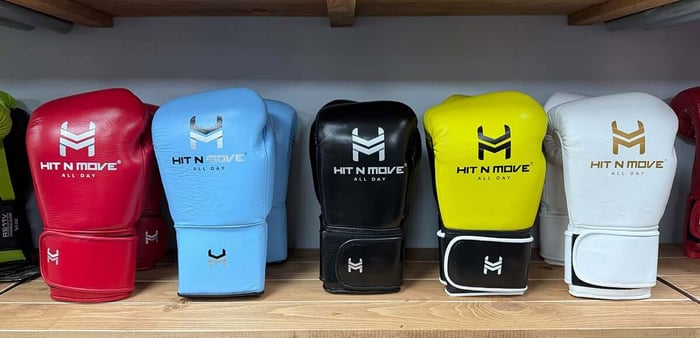
These are the errors we see most frequently from customers and gym members. Each one is avoidable with basic knowledge.
Choosing by Colour or Brand Alone
Aesthetics matter to most people, and that is reasonable. But choosing a glove because it looks right without checking fit, weight and construction leads to poor performance and wasted money. Brand reputation is a useful filter, not a final decision.
Buying Too Light for Sparring
We regularly see beginners arrive with 12oz or even 10oz gloves expecting to spar. No responsible gym will allow this. 16oz is the standard for adult sparring in UK gyms. Buying lighter because it "felt better in the shop" means buying twice.
Ignoring Internal Fit
A glove that is the correct ounce weight but the wrong shape for your hand will cause problems. Blisters, wrist strain and inconsistent punching mechanics all trace back to poor fit. If you cannot try before you buy, check the manufacturer's internal measurements and compare them to your hand with a wrap on.
Assuming One Pair Covers Everything
A single pair can work for a beginner in the first few months. Beyond that, different training demands require different tools. This is not marketing. It is the same logic that applies to any sport where equipment takes repeated stress under different loading patterns.
Replacing Based on Time Rather Than Condition
A glove used twice a week by a 60kg technical boxer will last far longer than the same model used daily by a 95kg heavy hitter. There is no universal lifespan. Check your gloves regularly. When the padding no longer returns to shape, or the shell shows structural damage, replace them regardless of how recently you bought them.
Five Checks FightGear Uses When Fitting Gloves
When a customer asks us to help them choose gloves in person or over the phone, we run through the same five-point process every time. It takes the guesswork out of the decision.
1. Confirm Training Purpose
We ask what you are actually doing in the gym. Bags only, pads only, sparring, a mix of everything, or preparation for competition. This narrows the field immediately and prevents you from looking at gloves that are wrong for your needs regardless of quality.
2. Establish Bodyweight and Ounce Range
Your weight determines the safe ounce range for your chosen purpose. We use the guidelines in this article to identify the correct weight class. If you fall between categories, we err on the side of more protection rather than less.
3. Assess Hand Size and Shape
We look at the length of your fingers, the width across your knuckles and the overall volume of your hand with a wrap applied. This tells us which brands and models are likely to fit well. A fighter with long, narrow fingers needs a different internal profile than someone with short, wide hands.
4. Check Wrist Stability
We ask about previous wrist injuries and test how the closure system holds the wrist in a neutral position. If you have a history of wrist trouble, we steer you toward gloves with stiffer, wider cuffs and recommend wrapping technique adjustments.
5. Match Budget to Frequency
Training once a week does not demand the same investment as training five times a week. We will always recommend the best glove your budget allows for your training frequency. Spending more on a glove you will use daily makes sense. Spending the maximum on a casual pair does not.
Where to Go Next
You now have the framework to make a confident decision. The next step depends on where you are in your boxing journey.
If you are brand new to the sport and want specific product recommendations for your first pair, read our complete beginner's guide to boxing gloves.
If you want to compare the highest-rated models across all categories, our best boxing gloves in the UK guide ranks them by purpose and price.
If you are preparing for amateur competition and want to understand how training glove selection supports your fight preparation, our guide to choosing gloves for amateur boxing training covers that in detail.
When you are ready to buy, browse all Boxing Gloves in our collection. Filter by type, brand or ounce weight to find exactly what you need. Every glove we stock has been assessed against the same criteria outlined in this guide.
Browse our full Boxing Gloves collection to find the right pair for your training.
FAQs
What boxing gloves should a beginner buy?
Most beginners should start with 14oz velcro training gloves for bag work and pad sessions. If sparring is part of your routine from the start, add a dedicated pair of 16oz sparring gloves.
What is the difference between training gloves and sparring gloves?
Training gloves are built for bag and pad work. They have firmer padding that gives feedback on punch placement and handles repeated impact against hard surfaces. Sparring gloves use softer, layered padding to protect your training partner during live exchanges. Using the wrong type for the wrong purpose is unsafe and damages equipment faster.
Do I need hand wraps with boxing gloves?
Yes. Hand wraps provide the structural wrist and hand support that gloves alone cannot replicate. Skipping wraps increases the risk of wrist sprains and metacarpal fractures regardless of glove quality.
What oz gloves are required for sparring in UK gyms?
16oz is the standard for adult sparring in most UK gyms. Some gyms permit 14oz for boxers under 65kg, but this is always coach and gym dependent. When in doubt, 16oz is the safe choice.
What is the difference between amateur and professional competition gloves?
Amateur bouts use 10oz or 12oz gloves depending on body weight: 65kg and under wear 10oz, over 65kg wear 12oz. Gloves are provided ringside at sanctioned events. Professional bouts use 8oz (Flyweight to Welterweight) or 10oz (Super-Welterweight upwards) under BBBoC rules. Gloves are provided by the promoter.