Boxing Skipping Rope

Shop boxing skipping rope from Rival, Fly and Pro Box. Free UK delivery.

Filter and sort

0 selected
£

0

£

39.99

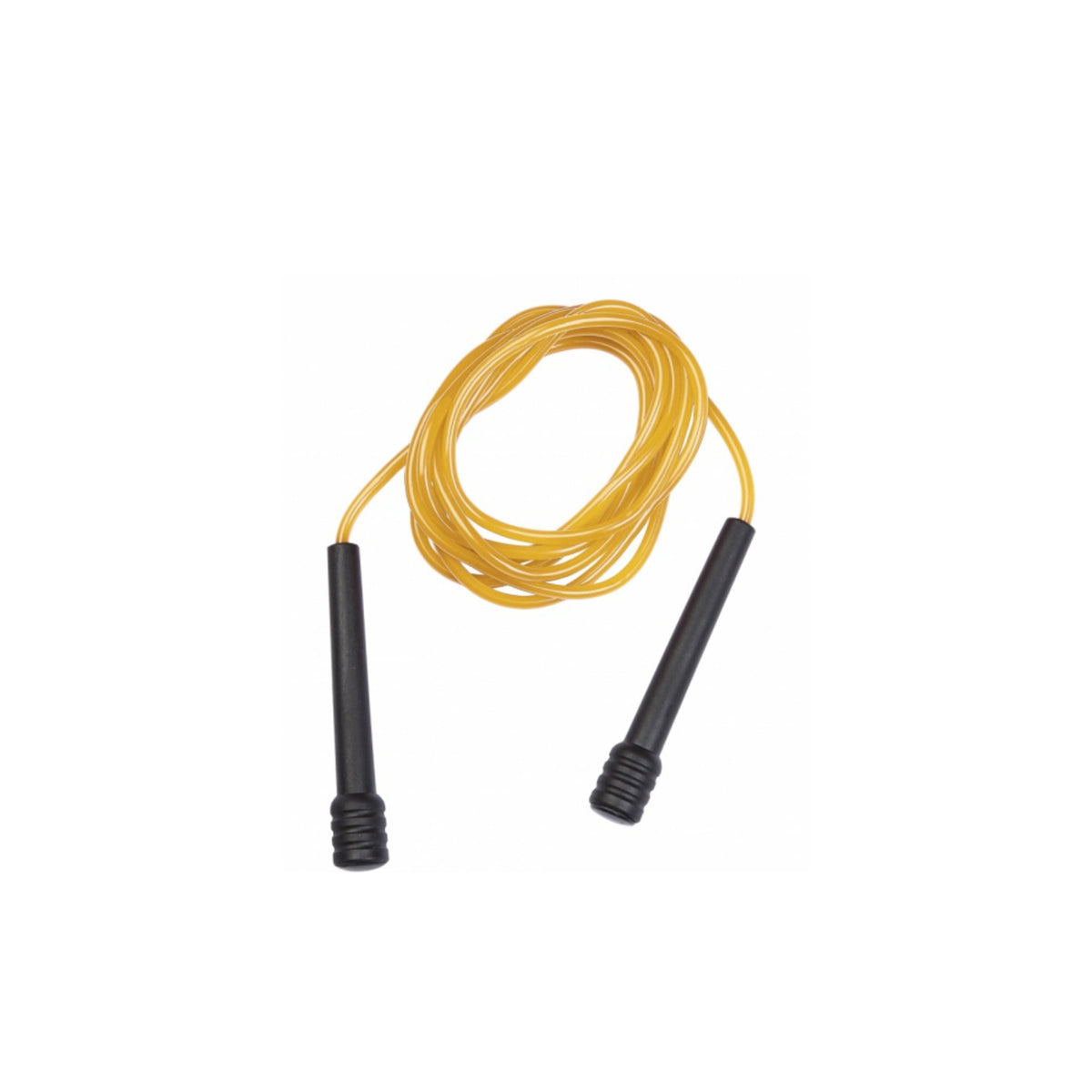
Pro Box Nylon Speed Rope

Pro Box Nylon Speed Rope

£3.99

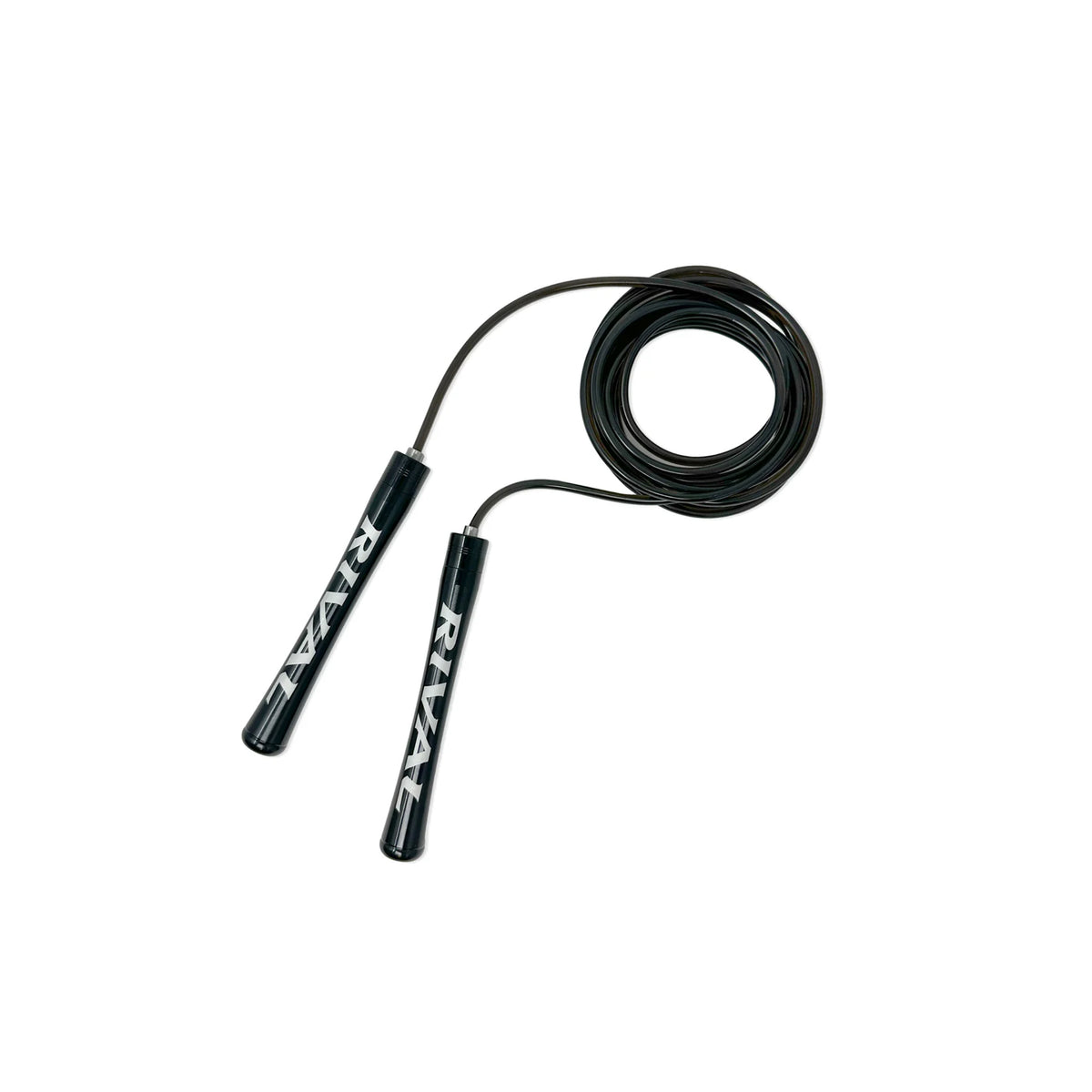
Rival Alu Grip Speed Rope Adjustable

Rival Alu Grip Speed Rope Adjustable

£14.99

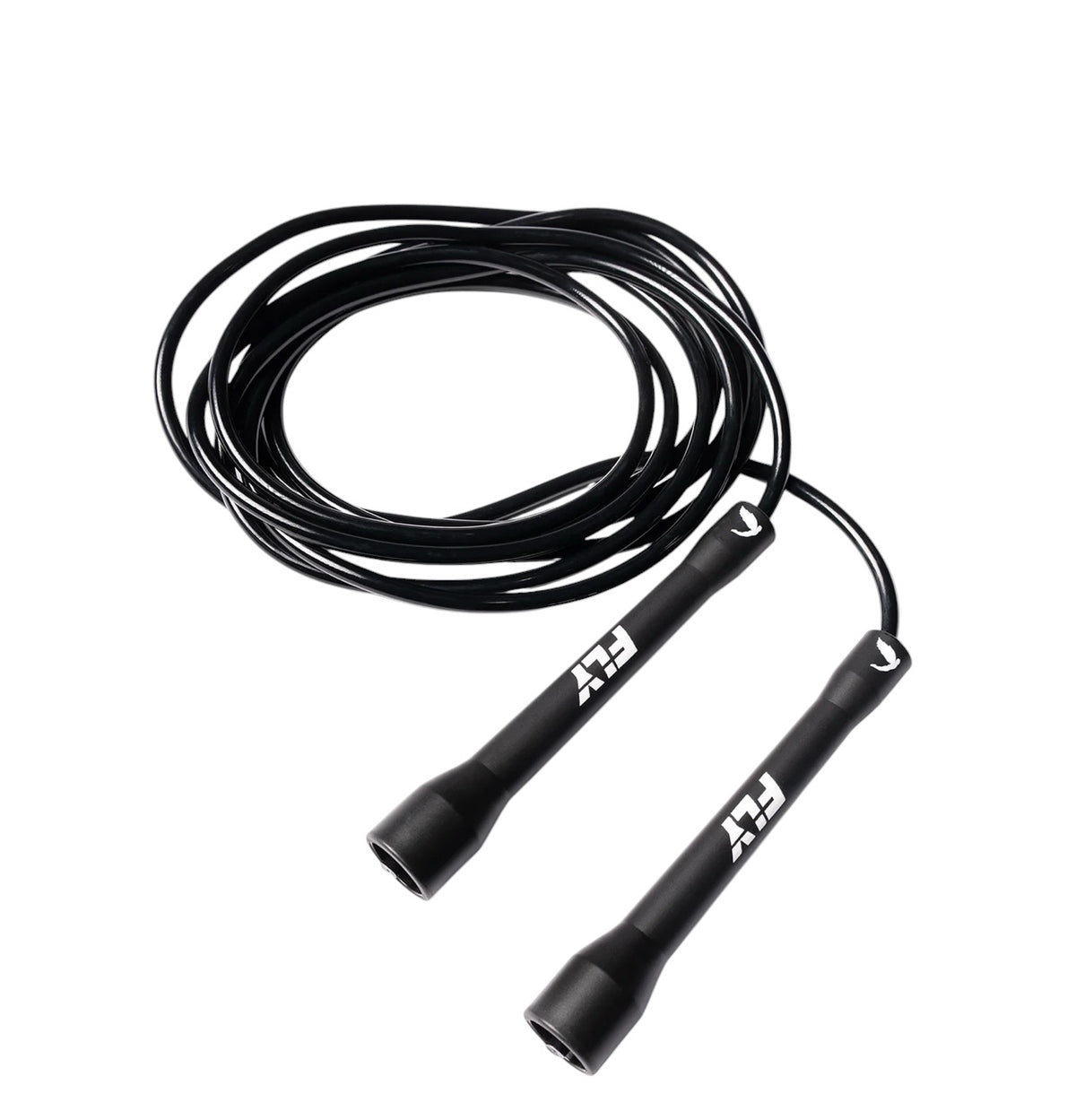
Fly Super Speed Rope

Fly Super Speed Rope

£14.99

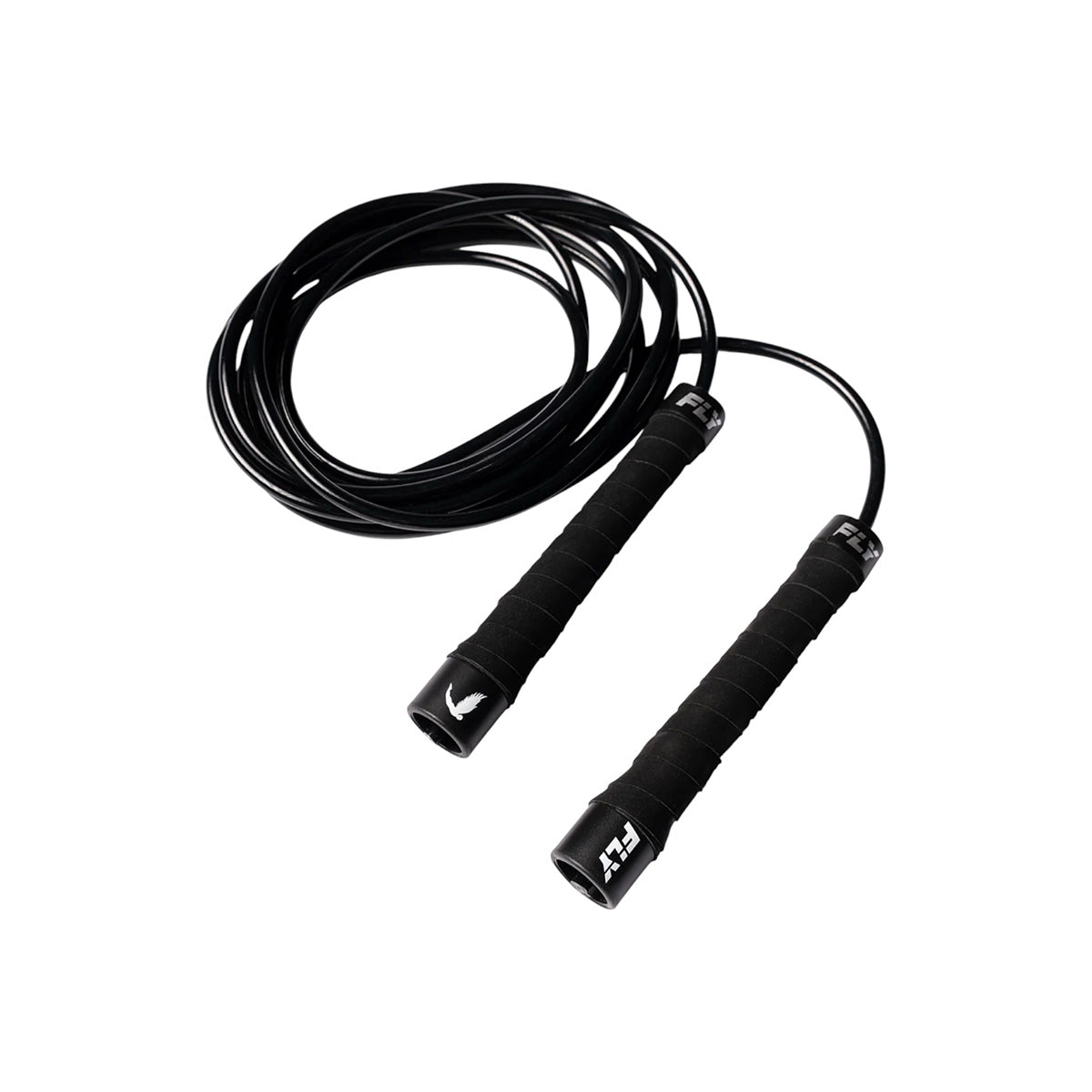
Fly Ultra Speed Rope

Fly Ultra Speed Rope

£24.99

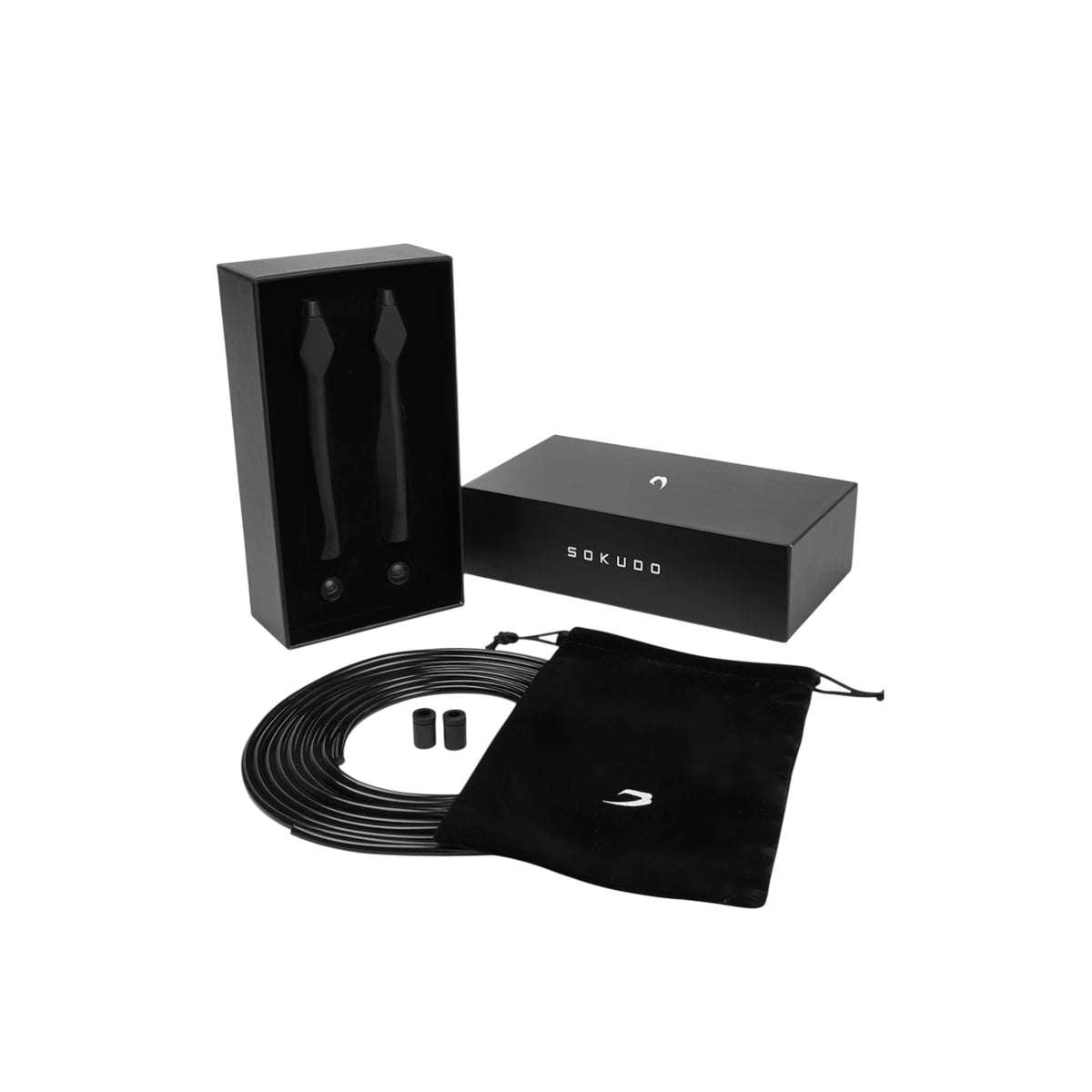
BOXRAW Sokudo Pro Aluminium Speed Rope

BOXRAW Sokudo Pro Aluminium Speed Rope

£39.99

Types of Skipping Rope

Boxing skipping ropes come in several distinct styles, each designed to develop different aspects of your game. Speed ropes feature thin cables or PVC cords that rotate quickly, making them ideal for building fast footwork and improving coordination during pad rounds. Leather ropes offer a heavier, more traditional feel that many professional fighters prefer for rhythm work and warm-ups.

Weighted skipping ropes add resistance to every rotation, conditioning your shoulders and forearms while simultaneously training your cardio engine. Beaded ropes provide excellent feedback and hold their shape well, which makes them a solid option for boxers still developing their timing. Choosing the right type depends on where you are in your training cycle and what physical qualities you want to sharpen.

Length and Sizing

Getting the length right is essential. A boxing skipping rope that is too long will slap the floor and slow your rhythm, while one that is too short forces you into an upright posture that limits fluidity. The standard method is to stand on the centre of the rope and pull both handles upward. The tips of the handles should reach roughly to your armpits or chest level.

Most quality ropes are adjustable, allowing you to fine-tune the length to your height and skipping style. Taller fighters or those who prefer a wider arc generally need a 10ft rope, while most boxers between 5'6" and 5'11" find a 9ft rope performs well. Always check the adjustable range before purchasing to ensure precision in your setup.

Material and Weight

The material of a boxing skipping rope directly affects its speed, durability and feedback. PVC and nylon cords are lightweight and fast, spinning with minimal air resistance, which suits high-tempo interval work. Leather cords are heavier and more durable, providing a satisfying swing arc that helps fighters settle into a consistent cadence during longer sessions.

Handles matter just as much as the cord. Look for ergonomic handles with smooth bearing systems that allow the rope to rotate freely without tangling. Foam or rubber grips reduce hand fatigue during extended rounds. For fighters who want to build upper-body endurance, weighted handles or heavier cable options add meaningful resistance without compromising technique.

Choosing the Right Skipping Rope

Your boxing skipping rope should match your training goals and experience level. If you are new to the sport, a durable PVC rope with an adjustable length gives you everything you need to build coordination and establish a consistent rhythm. Intermediate and advanced fighters often keep multiple ropes in their kit bag, switching between speed ropes for fast footwork drills and weighted options for conditioning.

Consider the environment you train in as well. Concrete and rough gym floors will wear through thinner cables faster, so a reinforced or coated cord is worth the investment if you skip outdoors. Whatever your level, a well-chosen skipping rope is one of the most effective and portable training tools a boxer can own.

All orders ship from our UK warehouse with free delivery available on orders over £75.

Skipping Rope FAQ

For most boxers, a 9ft rope suits heights between 5'6" and 5'11", while those over 6ft typically need a 10ft rope. The best approach is to stand on the centre of the rope and check that the handles reach your armpits or chest. An adjustable rope lets you dial in the perfect length.

A lightweight speed rope with a PVC or cable cord is widely considered the best option for boxing training. It spins quickly, builds coordination and closely replicates the fast tempo required during rounds. Many professional fighters also keep a leather rope for warm-ups and rhythm work to add variety to their sessions.

Stand on the middle of the rope with one foot and pull both handles straight up alongside your body. The handle tips should reach between your chest and armpits. If the rope is adjustable, shorten or lengthen it until you achieve a smooth arc that clears your head by a few inches without excessive slack hitting the floor.

Weighted skipping ropes are excellent for building shoulder endurance and upper-body conditioning, both of which translate directly into sustained punching power across later rounds. They are best used alongside a standard speed rope rather than as a replacement, allowing you to train both raw speed and muscular stamina within a single session.

Most boxing coaches recommend skipping three to five times per week, typically in rounds of two to three minutes to mirror the demands of a bout. Beginners can start with shorter intervals and build gradually. Consistent skipping improves cardiovascular fitness, footwork and timing, making it a staple in virtually every serious fighter's training programme.

Skipping develops cardiovascular endurance, coordination, calf strength and footwork agility, all of which are fundamental to boxing performance. It also improves timing and rhythm, helping fighters maintain composure under pressure. As a low-cost, portable exercise, a boxing skipping rope lets you train effectively anywhere, making it one of the most efficient conditioning tools available to fighters.