

Table of Contents
- 1. Hand Wraps – The Foundation of Every Session
- 2. Boxing Gloves – Your Daily Workhorse
- 3. Mouthguard – Protection You Shouldn’t Notice
- 4. Skipping Rope – Conditioning in Your Pocket
- 5. Athletic Tape & Small First-Aid Kit
- 6. Towel & Hydration
- 7. Protective Gear (As You Progress)
- 8. The Right Gym Bag
- Seasonal Considerations (UK Weather)
- Replace Gear Before It Fails
- Common Gym Bag Mistakes
- Final Thoughts
- FAQs
Knowing your boxing gym bag essentials is part of training seriously. Preparation starts before the first punch, and a well-packed gym bag removes distractions, protects your equipment and keeps sessions efficient.
When your wraps are rolled, your gloves are dry and your gum shield is clean, you train with focus instead of friction. Serious boxers treat their gym bag like part of their training system.
This guide explains exactly what every boxer in the UK should carry in their gym bag — and why it matters.
1. Hand Wraps – The Foundation of Every Session
Hand wraps are not optional.
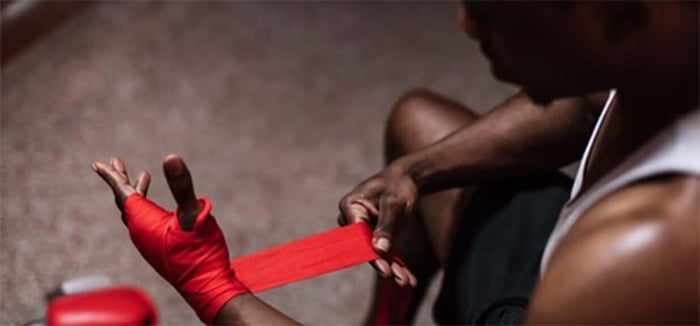
They stabilise the wrist, compress the knuckles and reduce long-term hand stress from repeated impact. Even light bag sessions should always be done with wraps.
Choose:
• 4–4.5m cotton or elasticated wraps
• Strong hook-and-loop fastening
• Durable stitching
Carry at least two pairs. Damp wraps from a previous session affect both hygiene and structural support.
Browse our Boxing Hand Wraps collection to protect your hands properly.
2. Boxing Gloves – Your Daily Workhorse
Your gloves are the most important item in your bag.
Most boxers train in:
• 14oz for general bag and pad work
• 16oz for sparring and partner drills
The key factors are wrist stability, even knuckle padding and structured support. Poorly constructed gloves lead to fatigue and wrist strain over time.
If you’re unsure about sizing, read What Size Boxing Gloves Should You Use?
Explore our full Boxing Gloves collection to find a pair suited to your training volume.
If you spar regularly, carry a dedicated sparring pair. Using one pair for everything reduces padding life and partner safety.
3. Mouthguard – Protection You Shouldn’t Notice
A gum shield is not just for competition.
Even in technical drills, accidental clashes and pad rebounds happen. A properly moulded mouthguard should:
• Lock into place
• Allow comfortable breathing
• Sit securely without jaw tension
Store it in a ventilated case and clean it after every session.
Browse our Boxing Mouthguards to stay protected as training intensity increases.
4. Skipping Rope – Conditioning in Your Pocket
A skipping rope is one of the most valuable items you can carry.
It improves:
• Rhythm
• Foot coordination
• Shoulder endurance
• Cardiovascular conditioning
An adjustable rope ensures correct length and smooth rotation.
Browse our Skipping Ropes for reliable conditioning tools.
5. Athletic Tape & Small First-Aid Kit
Small problems end sessions when you’re unprepared.
Carry:
• Athletic tape
• Blister plasters
• Antiseptic wipes
Tape can reinforce weak thumbs, protect hotspots and prevent minor issues becoming injuries.
This is not excessive — it’s preparation.
6. Towel & Hydration
Sweat management affects both hygiene and equipment lifespan.
A microfibre towel:
• Dries quickly
• Packs small
• Protects gloves from excess moisture
Hydration matters equally. Use a bottle you can open one-handed between rounds. Small, consistent sips maintain performance better than large gulps.
7. Protective Gear (As You Progress)
As your training advances, your bag should evolve.
You may need:
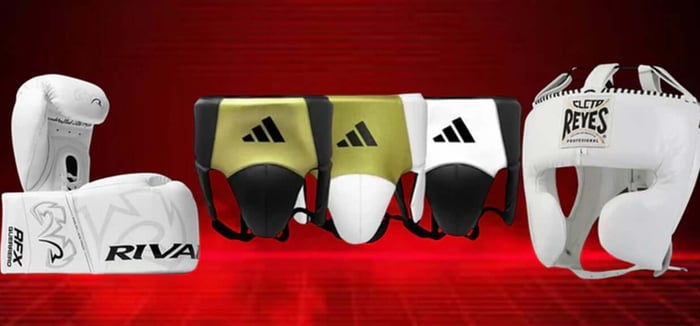
• Groin guard
• Headguard (for supervised sparring)
If you are progressing toward amateur boxing, training with structured protective gear builds familiarity before competition.
Browse our Protective Boxing Gear collection when sparring becomes regular.
If you plan to compete, read our Amateur Boxing Equipment for Competitions guide to understand requirements early.
8. The Right Gym Bag
Your bag itself matters.
Look for:
• Ventilated compartments
• Separate sections for wet gear
• Durable, water-resistant material
• Reinforced straps and strong zips
UK weather is unpredictable. Poor ventilation traps moisture and shortens glove lifespan.
Pack your bag the same way every session. Consistency removes stress before training begins.
Seasonal Considerations (UK Weather)
Cold months:
• Gloves take longer to dry
• Wraps stay damp
• Commutes affect gear
Warm months:
• Odour builds faster
• Gloves require daily airing
• Bacteria growth increases
Always open glove cuffs after training and avoid direct heat sources. Radiators damage padding structure.
Controlled drying extends glove life significantly.
Replace Gear Before It Fails
Equipment has a lifespan.
Replace when:
• Wraps lose elasticity
• Mouthguards deform
• Gloves lose wrist structure
• Padding feels uneven
• Ropes kink or fray
When protection drops, performance drops.
Common Gym Bag Mistakes
Avoid:
• Owning only one pair of gloves
• Leaving damp wraps sealed in pockets
• Wearing running shoes instead of boxing boots
• Skipping a mouthguard during partner drills
• Ignoring glove maintenance
Small habits compound over time.
Final Thoughts
A well-prepared gym bag builds discipline before you throw a punch.
When everything is organised, clean and ready, you train with focus instead of distraction.
Pack the essentials:
• Gloves
• Wraps
• Mouthguard
• Rope
• Tape
• Towel
• Protective gear as needed
Explore our full Boxing Equipment range and build a gym bag that supports your development properly.
Preparation is part of performance.
FAQs
What should I pack in my boxing gym bag?
Your boxing gym bag essentials should include gloves, hand wraps, a mouthguard, skipping rope, towel, water bottle and protective gear if sparring.
Do I need separate gloves for sparring?
Yes. It’s recommended to keep a dedicated pair of sparring gloves to protect your training partners and maintain padding quality.
How do I keep my boxing gloves from smelling?
Open the cuffs after every session, allow airflow and avoid sealing damp gloves inside your bag. Using ventilated compartments helps reduce moisture build-up.
Should beginners carry protective gear in their gym bag?
Beginners should carry gloves, wraps and a mouthguard. Headguards and groin guards become necessary once supervised sparring begins.
How often should I replace gym bag equipment?
Replace wraps when elasticity fades, mouthguards when they deform, and gloves when padding collapses or wrist support weakens.