Table of Contents
- Why Injury Prevention Matters in Boxing
- 1. Boxing Gloves: Your First Line of Defence
- 2. Hand Wraps: Stabilising Wrists and Knuckles
- 3. Headguards: Reducing Facial Damage in Sparring
- 4. Mouthguards: Protecting Teeth and Jaw
- 5. Groin Guards: Protecting Vulnerable Areas
- Additional Injury Prevention Tips
- Final Thoughts
- FAQs
Choosing the right boxing gear to prevent injuries is essential if you want to train consistently and safely. Boxing places repeated stress on your hands, wrists, jaw and face, and without proper protection, small issues can turn into long-term problems.
No equipment eliminates risk entirely. Gloves and wraps support the hands, a well-fitted mouthguard helps protect the teeth, and headgear can reduce facial cuts. Use them alongside controlled training and good coaching.
This guide explains how the right boxing equipment helps prevent injuries and how to choose it properly.
Why Injury Prevention Matters in Boxing
Boxing is physically demanding. Every punch you throw places force through your knuckles, wrists and shoulders. Every punch you absorb stresses your jaw and facial structure.
Common training injuries include:
- Bruised or inflamed knuckles
- Sprained wrists
- Facial cuts and swelling
- Dental damage
- Accidental groin trauma
Suitable, properly fitted equipment is one part of managing these risks. It cannot compensate for uncontrolled contact or training through an injury.
Training smart means protecting your body so you can improve consistently.
1. Boxing Gloves: Your First Line of Defence
Boxing gloves absorb and distribute impact across the knuckles. Poorly fitted or low-quality gloves increase stress on small hand bones and wrist joints.
Choose the Correct Weight
- Bag and pad work: adult beginners under 65kg start with 14oz; over 65kg, 14–16oz. Check hand size and comfort.
- Experienced adult bag and pad work: 10–12oz or bag mitts may suit, depending on preference and hand condition.
- For adult sparring, 16oz is standard below 90kg, subject to coach or gym rules. Adults under 65kg may use 14oz only where the coach or gym permits it. At 90kg and above, 18oz is standard, subject to coach or gym rules. Do not use 8oz, 10oz or 12oz for adult sparring. Juniors need age-appropriate coach guidance.
A heavier glove does not automatically contain more knuckle padding or make sparring safer. Check the model, fit and padding condition as well as the number on the cuff.
If you’re unsure which weight suits you, read our guide: What Size Boxing Gloves Should You Use?
Browse our full range of Boxing Gloves to find structured training models.
Fit and Padding Quality Matter
Your gloves should:
- Feel snug with wraps on
- Keep the wrist aligned
- Have even padding across the knuckle area
- Prevent internal hand movement
Check regularly for:
- Compacted knuckle padding
- Weak wrist support
- Torn stitching
Worn gloves absorb less impact and increase injury risk.
2. Hand Wraps: Stabilising Wrists and Knuckles
Hand wraps are the foundation of hand protection.
They:
- Secure the wrist joint
- Cushion the knuckles
- Reduce movement inside the glove
- Support the thumb
For many adults, 4–4.5 metre wraps provide useful wrist and knuckle coverage. Check the finished fit inside your glove, especially if you have small hands or use thicker material.
Shorter wraps can avoid excess bulk on smaller hands. Choose the length for your hand and wrapping method rather than age alone.
Incorrect wrapping can lead to wrist instability and strain. If unsure, ask a coach to check your technique.
Explore our Boxing Hand Wraps collection for proper support.
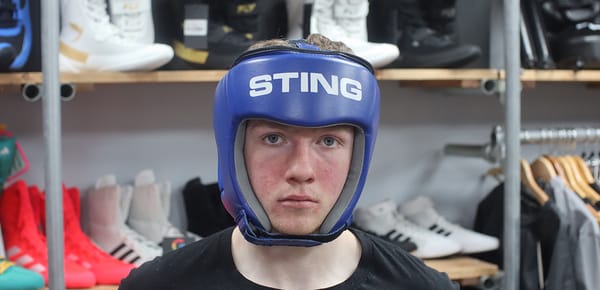
3. Headguards: Reducing Facial Damage in Sparring
Headguards help reduce superficial injuries such as:
- Cuts
- Swelling
- Brow lacerations
Headguards can help reduce facial cuts, but should not be relied on to prevent concussion. Controlled sparring still matters.
Choosing the Right Style
- Open Face – Clear central view; check the exact model and rules for amateur competition
- Cheek Protector – A balanced option for regular sparring, with added cheek coverage
- Face Saver (Bar) – Extra front coverage, with a bulk and visibility trade-off; not a reason to spar harder
A proper fit is critical. A loose headguard shifts during impact and reduces protection.
Look for:
- Adjustable rear straps
- Secure chin fastening
- Multi-layer foam padding
Browse our Boxing Headguards collection for sparring and amateur-approved models.
If you’re preparing for regulated bouts, make sure your equipment meets competition standards. Read our Amateur Boxing Equipment for Competitions guide to understand UK requirements for gloves, headguards and protective gear.
4. Mouthguards: Protecting Teeth and Jaw
Dental injuries are common in contact sports.
A properly fitted mouthguard:
- Protects teeth from direct impact
- Cushions the jaw
- Reduces risk of dental trauma
Boil-and-bite mouthguards are a practical option for club training. Follow the fitting instructions and check that the guard stays in place while you breathe and speak. Ask a dentist about braces or persistent fit problems.
Explore our Boxing Mouthguards for secure training options.
5. Groin Guards: Protecting Vulnerable Areas
Accidental low blows can happen during sparring and competition.
A groin guard should:
- Stay secure during movement
- Allow full hip mobility
- Fit comfortably under shorts
Elastic waistbands or adjustable designs improve stability.
Browse our boxing groin guards collection for guards built for real sparring.
View our Protective Boxing Gear collection for reliable options.
Additional Injury Prevention Tips
Inspect Equipment Regularly
Replace gear when:
- Glove padding flattens
- Wrist support weakens
- Wrap elasticity fades
- Headguard foam compresses
- Mouthguard loses shape
Protective equipment only works properly when it maintains structure.
Train Under Control
Even the best boxing gear to prevent injuries cannot compensate for uncontrolled sparring. Communicate with partners and follow gym intensity guidelines.
Invest in Structural Quality
Look for sound stitching, a durable outer and padding that keeps its shape. Inspect the actual pair rather than judging its remaining life by price or material alone.
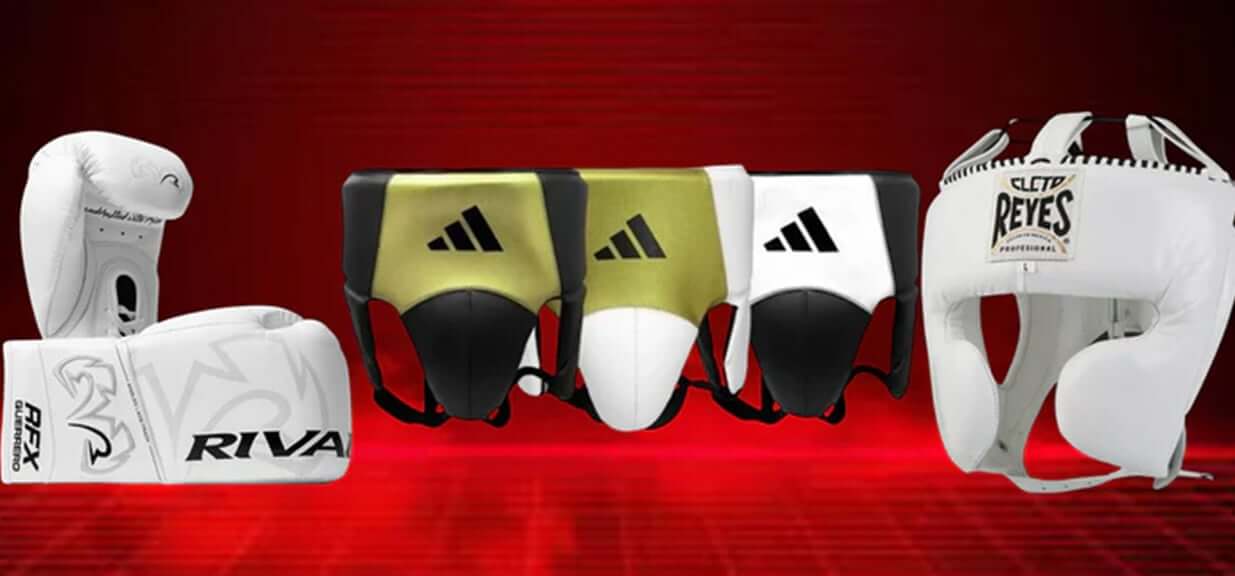
Our protective-equipment range includes:
- Sting
- Adidas
- Rival
- Hit N Move
- Cleto Reyes
Quality gear supports long-term training.
Final Thoughts
Boxing will always involve impact. The goal is not to remove risk entirely; it is to manage it intelligently.
The right boxing gear to prevent injuries:
- Supports your wrists
- Protects your knuckles
- Shields your face
- Cushions your jaw
- Guards vulnerable areas
Training consistently requires durability and proper protection.
Browse our full range of Boxing Equipment and build a safer, structured training setup.
Train smart. Protect your body. Progress properly.
FAQs
What boxing gear helps prevent injuries?
Boxing gloves, hand wraps, headguards, mouthguards and groin guards all play a role in reducing injury risk during training and sparring.
Do heavier boxing gloves prevent injury?
Not automatically. Glove weight does not establish knuckle-padding thickness or injury prevention. For adult sparring, 16oz is standard below 90kg, subject to coach or gym rules. Adults under 65kg may use 14oz only where the coach or gym permits it. At 90kg and above, 18oz is standard, subject to coach or gym rules. Do not use 8oz, 10oz or 12oz for adult sparring.
Do headguards prevent concussion?
Headguards can help reduce facial cuts, but should not be relied on to prevent concussion. Stop contact and seek medical assessment if concussion is suspected.
Why are hand wraps important for injury prevention?
Hand wraps support the wrist and cushion the knuckles. Apply them without folds or excessive tension, and ask a coach to check your method. They should not cause tingling or numbness.
How often should I replace boxing gloves for safety?
Replace gloves when padding compresses, wrist support weakens or stitching fails. Worn gloves provide less impact absorption. New to the sport? Start with our guide to boxing equipment for beginners. Make sure you're always prepared with our gym bag essentials guide. For a full overview of every piece of protection, read our complete protective gear guide.
Further reading: medical guidance on headguard use.