Table of Contents
Choosing the right gloves for amateur boxing training is one of the most important equipment decisions a fighter can make. The gloves you train in affect hand protection, conditioning, sparring safety and how prepared you feel when stepping into the ring for competition.
Unlike competition bouts, where gloves are provided by officials, amateur boxers must choose their own gloves for everyday training. Selecting the correct pair helps develop proper technique while protecting your hands and wrists during repeated impact.
This guide explains how to choose boxing gloves for amateur boxing training, including glove weight, padding, training types and the equipment used across UK boxing gyms.
If you’re unsure about the rules used in competition, read our guide on what gloves are used in amateur boxing competitions to understand the glove weights assigned during bouts.
Why Training Gloves Matter in Amateur Boxing
Amateur boxing involves high training volume. Fighters regularly work on heavy bags, pads, technical drills and sparring sessions throughout the week.
Using the wrong gloves during training can lead to:
• wrist strain
• knuckle injuries
• compressed padding
• unsafe sparring conditions
Choosing proper training gloves ensures you build durability while protecting both yourself and your sparring partners.
If you’re preparing for amateur competition, you can also explore our range of amateur boxing equipment used across UK boxing clubs and development programmes.
Training Gloves vs Competition Gloves
In amateur boxing competitions, gloves are usually provided ringside by the organisers and assigned according to weight class.
Because of this, most fighters train using a combination of gloves designed for different purposes.
Typical training glove rotation includes:
Training Gloves
Used for bag work, pad work and conditioning drills.
Sparring Gloves
Designed with softer padding to protect training partners.
Competition-Style Gloves
Used occasionally to simulate fight conditions before competition.
Understanding the difference between glove types helps fighters choose the correct equipment for each session.
If you’re unsure about glove sizes and weights, see our guide on Boxing Gloves Explained: How to Choose the Perfect PairBoxing Gloves Explained
Choosing the Right Glove Weight
One of the most important factors when choosing boxing gloves for amateur training is glove weight.
Boxing gloves are measured in ounces (oz), which represents the total glove weight and amount of padding.
Typical training glove weights include:
12oz Gloves
Often used for bag work and pad sessions by lighter boxers.
14oz Gloves
A balanced option for general training.
16oz Gloves
Commonly used for sparring and heavier athletes.
Many amateur boxers train in 14oz or 16oz gloves, even if they compete in lighter gloves, because the extra padding improves protection during high training volume.
You can compare different models in our full range of boxing gloves used across amateur boxing gyms.
Wrist Support and Protection
Good wrist support is essential in amateur boxing training.
During repeated bag work and pad sessions, the wrist absorbs significant force. Gloves with strong wrist structure help prevent collapse and keep punches aligned correctly.
Look for gloves with:
• secure Velcro wrist closure
• structured wrist channel
• consistent knuckle padding
• proper thumb attachment
Hand wraps should always be worn under gloves to provide additional stability and protection.
Browse our range of boxing hand wraps to support wrist alignment during training.
Padding and Impact Feel
Padding design plays a major role in how gloves perform during training.
Some gloves provide denser padding, which offers clearer feedback on the heavy bag and rewards clean technique.
Other gloves use layered foam padding, which absorbs more shock and is better suited for sparring sessions.
Amateur fighters typically use:
• denser gloves for bag work
• softer gloves for sparring
For a broader comparison across all brands and budgets, see our complete ranked guide to boxing gloves.
Rotating gloves for different training sessions helps extend glove lifespan and maintain proper protection.
Popular Gloves Used by Amateur Boxers
Many amateur fighters train with gloves designed to replicate competition conditions.
Several brands are commonly seen across UK boxing gyms.
Sting Boxing Gloves
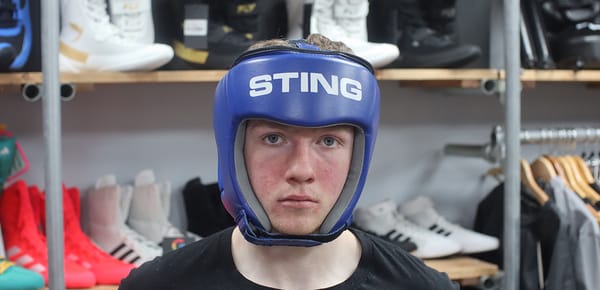
Sting boxing equipment is widely used in amateur boxing environments due to its competition-ready construction and structured glove designs.
The Sting Competition Approved Gloves are particularly popular among amateur fighters because they closely replicate the feel of competition gloves.
These gloves are designed to provide:
• balanced padding for scoring punches
• consistent wrist support
• competition-style weight distribution
Many amateur boxers train periodically in these gloves to prepare for tournament conditions.
You can explore the full range of Sting boxing equipment used across amateur boxing programmes.
Rival Boxing Gloves
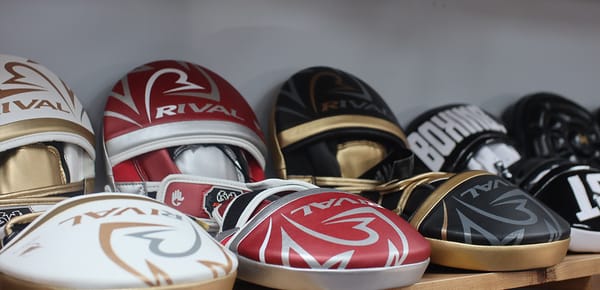
Rival gloves are well known for their ergonomic hand shape and strong wrist support.
They are frequently used for sparring and technical training sessions where durability and comfort are important.
Hit N Move Boxing Gloves
Hit N Move gloves have become popular among modern boxing gyms due to their lightweight design and balanced padding systems.
These gloves are often chosen for pad work and technical training where speed and precision are important.
Building a Training Glove Rotation
Many amateur fighters eventually build a small rotation of gloves suited to different training sessions.
A typical setup might include:
• training gloves for bag work
• sparring gloves for partner sessions
• competition-style gloves for technical drills
This allows fighters to protect their hands while maintaining realistic preparation for competition.
You can browse our full range of boxing gloves to find models suited to different types of amateur boxing training. Browse our full boxing equipment collection to find everything you need for training.
Preparing for Amateur Competition
Although gloves are provided during amateur competitions, training with the right equipment is essential for proper preparation.
In addition to gloves, amateur boxers typically train with:
• hand wraps
• headguards
• mouthguards
• groin protection
For a complete overview of the equipment used in amateur boxing, see our full guide toAmateur Boxing Equipment for CompetitionsAmateur Boxing Equipment for CompetitionsAmateur Boxing Equipment for Competitions If you're just getting started, our Boxing Equipment for Beginners guide covers everything you need to know.
Final Thoughts
Choosing the right boxing gloves for amateur training helps protect your hands, improve conditioning and prepare you for competition.
Most fighters train in 14oz or 16oz gloves for sparring and conditioning, while occasionally using competition-style gloves to adapt to fight conditions.
Investing in quality gloves and training equipment ensures that when competition day arrives, the transition from gym to ring feels natural.
Train consistently, protect your hands and build your skills with equipment designed for amateur boxing.
FAQs
What gloves should amateur boxers train in?
Most amateur fighters train in 14oz or 16oz gloves for sparring and general training.
Do amateur boxers use their own gloves in fights?
No. Gloves are typically supplied by the organisers during amateur competitions.
Are Sting gloves used in amateur boxing?
Yes. Sting competition gloves are commonly used in amateur boxing programmes and tournaments.
Can I use the same gloves for bag work and sparring?
It is better to use separate gloves. Sparring gloves use softer padding to protect training partners.
For competition-approved options, see our guide to the best Sting boxing gloves for training and competition.
Also read our Sting vs Rival boxing gloves comparison to see how the two leading brands stack up.