

What Every Boxer Needs in Their Gym Bag in 2025
Intro: Preparation wins rounds before the bell
There’s a calm that settles over a boxer who knows their kit is exactly where it should be. The wraps are rolled the same way every time, the gum shield is clean and ready, the gloves are dry and supportive, and the towel and tape can be found by touch alone. That calm isn’t a luxury; it is a competitive edge. Preparation removes friction so you can step through the gym door and get straight to work. In the crowded boxing accessories UK market, the difference between a bag that helps you train and a bag that slows you down comes down to deliberate choices. Build a kit that covers safety, hygiene, and rhythm, and your training will feel less chaotic and more purposeful from the very first round.
The principles of a dependable kit
A dependable kit does three things well. It protects you from predictable problems like sore wrists, split knuckles, and accidental knocks to the teeth. It speeds transitions between drills so you are not fiddling with straps while the coach is already calling the next combination. And it survives the weekly cycle of sweat, travel, and weather that UK athletes know too well. Those principles guide every choice you make. When you pick hand wraps, you are really choosing wrist stability for the thousandth right cross. When you pick a mouthguard, you’re choosing jaw relaxation and safer breathing under pressure. When you pick a bag, you are deciding whether your sessions start in control or already half a step behind.
Hand wraps: the foundation of every punch
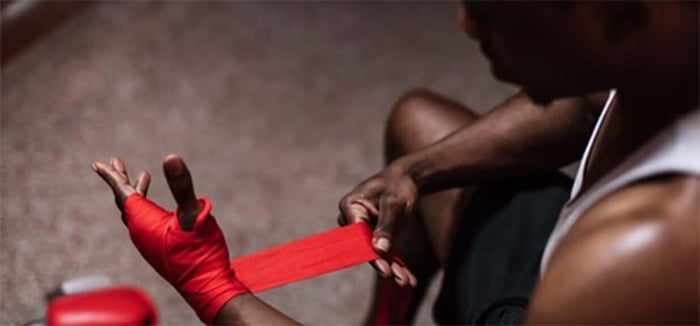
Hand wraps are the quiet architecture beneath your gloves. Cotton Mexican-style wraps around 4 to 4.5 metres allow a snug pattern that protects the knuckles and anchors the wrist without cutting circulation. The right tension feels firm but never numb; if your fingers tingle, unwind and try again, because blood flow and feel are non-negotiable. Consistency matters more than any particular wrapping fashion. Choose a method, practise it, and replicate it until your hands feel identical every session. A second pair of wraps in the bag is insurance against a damp kit, and washing them in a mesh laundry bag prevents a tangled mess that steals time when you could be warming up. For newer athletes building a routine, wraps are the single most valuable piece of boxing training gear after gloves.
Gum shield: protection you barely notice
A gum shield is not just for sparring; it is for any session where partners, pads, or busy spaces can put an elbow or a ricochet in the wrong place. A properly moulded boil-and-bite guard will serve most beginners perfectly. The goal is a fit that locks in place without forcing your jaw to clamp tight. If the guard distracts you or makes breathing awkward, remould it or try a different model. Store it in a vented case and clean it straight after training so it does not absorb the smell of your bag. The right guard disappears from your awareness once the round begins, and that is exactly what you want.
Gloves: the daily workhorse
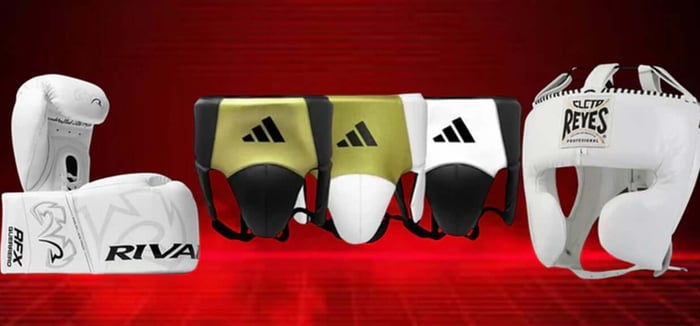
Your gloves will touch every second of your work, so they must suit your plan. Many beginners thrive in 14oz gloves for bag and pad sessions because the balance of protection and feel is forgiving while form develops. Some smaller athletes enjoy the feedback of 12oz on the bag, while larger frames may feel safer in 16oz earlier in their journey. What matters is a stable wrist, even padding across the striking surface, and a thumb track that feels natural when you clench. Keep a separate 16-oz pair for partner drills when your coach permits them, because soft sparring padding should not be chewed up on the bag. After training, open the cuffs, air the interior, and avoid radiators and direct sunshine. Good glove care is part of your performance plan, not an afterthought.
Skipping rope: rhythm in your pocket
A skipping rope is the most compact engine of conditioning and coordination you can carry. An adjustable cable helps you find your ideal loop so the rope clears the floor with a faint kiss rather than a slap. Two- or three-minute rounds before pads wake the calves, shoulders, and lungs and tune your breathing to the cadence you will use at the bag. Double-unders and cross-steps can come later; at first, you are building an honest rhythm you can rely on when the coach adds footwork and pivots. Because a rope weighs almost nothing, there is no excuse to forget it, and because it warms joints evenly, it is often the difference between a sharp first round and a laboured one.
Tape and a small first-aid pouch: tiny items, outsized value
A roll of athletic tape turns a potential session-ending hotspot into a minor footnote. It shores up a stubborn thumb, calms a blister, and adds a strip of security when a wrap is not quite right. Pair it with a slim pouch holding plasters, antiseptic wipes, and a tiny tube of petroleum jelly, and you can solve the little problems that would otherwise nag at you between rounds. The aim is not to wrap yourself like a mummy; it is to remove distractions so technique can own your attention.
Towel and hydration: comfort that sustains quality
A microfibre towel pulls sweat away quickly and dries fast in a cold UK changing room. Keep it accessible so you can wipe your gloves and face between rounds without rummaging. Hydration is equally practical. A bottle you can operate with one hand saves precious seconds on the stool. Water is fine for most sessions; electrolytes can help longer or hotter blocks. The habit that matters is regular, small sips rather than a desperate gulp when light-headedness arrives.
Optional extras that earn their place
Optional items often become permanent once you feel their effect. A sauna suit used sensibly during warm-up raises core temperature and loosens the body on chilly evenings. It is not a fat-loss tool; it is a heat-management layer, and it makes even basic shadow boxing feel smoother from the first minute. A small pot of petroleum jelly helps reduce friction under headgear or along the cheekbones during partner drills. Cotton swabs tidy scrapes so you are not brushing dried blood across your gloves, and deodorising inserts pull moisture out of boots and gloves between sessions. None of these are glamorous, but they add up to a kit that feels looked after and ready.
Organisation habits borrowed from UK gym culture
Walk into a well-run gym in London, Manchester, or Glasgow, and you will see the same habits repeated. Athletes pack their bags the same way every time, so retrieval is instinctive. Wraps live in one pocket, a clean towel and mouthguard case in another, and used items go into a dedicated vented compartment. Some boxers clip wraps to a carabiner on the outside of the bag after training so they air on the journey home. Others keep a spare set of laces, a pen, and a tiny notebook to record round counts, combinations, and coach feedback. These habits look fussy until you try them; then they feel like free performance. Routine turns good intentions into behaviour that survives fatigue.
Choosing the right carry-on: boxing bags UK that suit your commute
The right carry is as important as what you carry. If you travel by train or bus, a backpack-style holdall keeps both hands free and distributes weight across your shoulders. A roll-top with a water-resistant shell protects wraps and gloves from drizzle and the occasional downpour. Cyclists benefit from a more compact profile and reflective accents for dark winter evenings. If you drive and walk only a short distance, a classic duffel with a ventilated shoe compartment lets you separate boots from gloves and clothing. In all cases, a vented pocket for your gum shield case and used wraps is worth its weight in gold. Many boxing bags UK are built with these realities in mind; the difference shows after your tenth rainy commute, not your first sunny day.
Seasonal considerations for UK weather
Cold months change how your kit behaves. Wraps take longer to dry, gloves can feel stiff at the start of a session, and wet pavements make the walk to the gym a hazard. A compact dry bag inside your holdall keeps damp items away from the rest of your gear until you can air them properly at home. In summer, heat and humidity accelerate odour and bacterial growth, so glove hygiene becomes a daily ritual rather than an occasional chore. A small, unscented disinfectant spray designed for sports equipment keeps liners fresh without harsh residues, and leaving your bag unzipped for a few hours at home lets air do its quiet work.
Hygiene and care: the invisible performance enhancer
A clean kit is a comfortable kit, and a comfortable kit lets you focus. After training, open glove cuffs, remove any quick-wraps, and allow airflow. Wipe the exterior with a slightly damp cloth and dry immediately. Sprinkle a touch of bicarbonate of soda into boots overnight and shake it out in the morning to keep smells at bay. Rinse your gum shield and let it dry before it returns to its case. Wash wraps inside a mesh bag and roll them neatly while they are warm from the radiator, but do not place gloves on the radiator itself; controlled ambient warmth is kind to foams, direct heat is not. The time you spend on hygiene today is time you gain in confidence tomorrow.
Replacement cadence: knowing when to refresh gear
All gear has a lifespan set by frequency and intensity. Wraps lose elasticity and should be refreshed when they stop holding their pattern or feel permanently twisted. Mouthguards should be replaced if they crack, deform, or no longer feel secure after a re-mould. Gloves tell the truth through uneven padding or a collapsing wrist channel; when impact suddenly feels sharp or your wrist begs for extra tape, it is time to retire them from hard bag rounds or reserve them for light drills only. Ropes eventually kink and should be replaced when they stop turning cleanly; your rhythm is too valuable to fight a tired cable. Treat replacement not as a cost but as an investment in sessions that feel sharp and safe.
Mental clarity through physical routine
A good gym bag routine is more than tidy habits; it is a way to clear mental space. When your hands know exactly where the wraps are and your eyes go straight to the gum shield case, you arrive on the bag with bandwidth to focus on stance, breath, and timing. You reduce the tiny frictions that add up to fatigue. Over weeks, that clarity translates into better rounds, cleaner footwork, and a steadier heartbeat when the bell sounds. The psychology is simple: fewer decisions about kit means more attention for the craft.
Fight Gear essentials — make shopping simple
A strong start is easy to assemble from the Fight Gear Accessories collection on FightGear.co.uk. Begin with two pairs of 4.5m cotton wraps, so one set can dry while the other works. Add a quality boil-and-bite gum shield with a vented case to keep hygiene under control. Choose a dependable training glove in 14oz that supports the wrist and spreads force evenly across the knuckles, then plan for a separate 16oz pair reserved for partner drills when your coach introduces them. Include a height-adjustable speed rope to standardise warm-ups, a microfibre towel that packs small and dries fast, and a roll of athletic tape for the odd thumb or blister. Round out the kit with deodorising inserts for boots and gloves so moisture does not linger, and pick a purpose-built holdall from our boxing bags UK range with ventilated compartments that separate dry and used items. If you prefer an effortless path, select a beginner bundle that groups wraps, gum shield, rope, and towel, then add gloves and your preferred carry to suit your training schedule.
Common mistakes and how to avoid them
The most common mistakes are simple. Athletes rely on running shoes instead of boots and struggle to pivot cleanly. They bring a single pair of gloves to every session and wear down soft padding on the bag, only to find partner drills feel harsh two weeks later. They toss damp wraps into a sealed pocket and wonder why their bag smells like a locker. Each mistake has an easy fix. Wear footwear that lets the floor talk to your feet, maintain a separate pair of gloves for people work, and give moisture a way out of your kit. Most importantly, make your packing order and pocket layout identical every time. Routine turns chaos into a rhythm you can trust.
Conclusion and next steps
The best boxing gym essentials are not exotic. They are the thoughtful basics that remove friction, protect your body, and hold up to British weather and busy commutes. Wraps that stabilise the fist, a gum shield that disappears when you train, gloves that respect your wrist, a rope that sets your breathing, tape and a tiny first-aid pouch that solves problems before they spread, and a bag that carries everything with order and airflow. Build your kit once, refine it over the first few months, and maintain it like part of your training. You will arrive on the floor calmer, start rounds faster, and finish sessions with a sense that everything worked as intended.
Upgrade your gym bag with FightGear accessories.
Share