Table of Contents
- What Is Face Saver Headgear
- Hit N Move Face Saver Design
- Protection vs Visibility
- When Face Saver Headgear Is Used
- Fit and Comfort
- Who the Hit N Move Face Saver Headgear Is Best For
- Where to Buy Hit N Move Headgear in the UK
- Final Thoughts
- FAQs
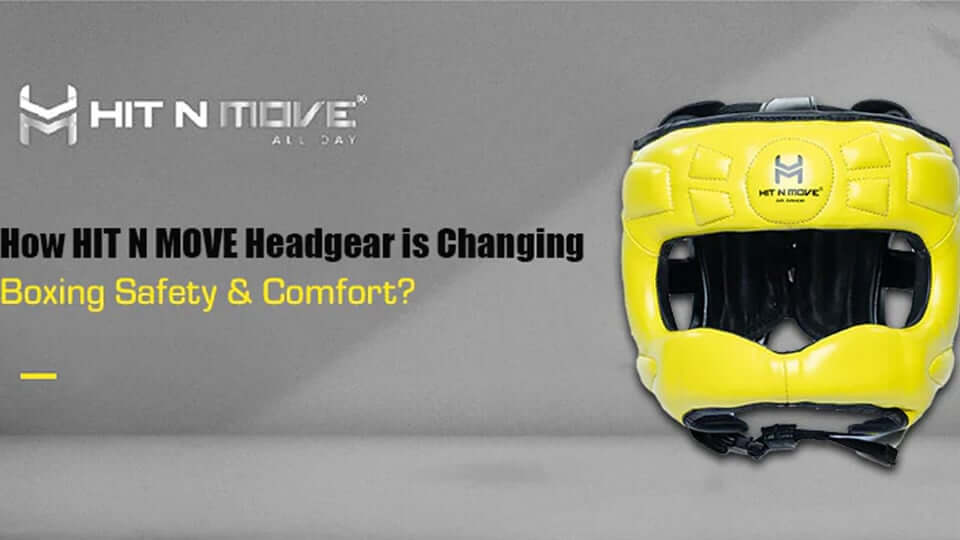
The Hit N Move Face Saver Headgear is designed for boxers who want extra coverage across the centre of the face during sparring. Unlike traditional cheek-protector headguards, face saver designs use a reinforced front bar to protect the nose and face from direct punches.
Headguards should not be relied on to prevent concussion, and a different design is not a reason to increase sparring intensity.
In this guide we review the Hit N Move Face Saver headgear, how it performs during sparring, and which fighters benefit most from using bar-style protection.
If you want to understand the wider design philosophy behind the brand, read our full Hit N Move Boxing Gear Guide.
You can also browse our full Boxing Headguards collection to compare sparring headgear used across boxing gyms and training environments.
What Is Face Saver Headgear
Face saver headgear uses a protective front bar to shield the nose and face from direct punches.
Unlike standard headguards that protect the cheeks and temples, face saver models add an additional layer of protection across the centre of the face.
The front bar adds coverage in front of:
• the nose
• the central face
• parts of the mouth area, depending on fit
It cannot guarantee that these areas will avoid contact or injury.
Because of this extra protection, face saver headguards are widely used in training camps and controlled sparring sessions.
They are typically not used in amateur competition, where open-face headguards are more common.
Hit N Move Face Saver Design
The Hit N Move Face Saver headgear is built with a structured front bar combined with balanced padding around the head.
Key features include:
• reinforced facial protection bar
• structured cheek padding
• adjustable rear lace system
• lightweight foam protection
• stable chin strap fit
The goal is to provide strong facial protection without making the headgear feel overly bulky.
Even with the protective bar, the design still allows fighters to maintain reasonable vision and head movement during sparring.
Protection vs Visibility
One of the trade-offs with face saver headgear is reduced visibility compared with open-face designs.
The bar adds coverage in front of the nose, but the fit and clearance matter. It is not a guarantee against a nose injury.
Face saver models are particularly useful for:
• boxers who prefer front-bar coverage to an open central face area
• boxers comfortable with the visibility trade-off
• experienced fighters preparing for competition
• coaches and trainers sparring with athletes
For lighter technical sparring, some fighters go for the slimmer Hit N Move Air Armor Precision Headgear.
When Face Saver Headgear Is Used
Face saver headguards are rarely used in amateur competition.
Instead they are most common in:
For a comparison across headguard styles, see our boxing headgear guide.
• professional training camps
• advanced sparring sessions
• controlled gym sparring
• fighter preparation camps
The extra facial coverage is the reason to choose this design. It should not be used to justify harder training or a return to contact before medical clearance after an injury.
Some boxers prefer a face bar; others prefer the slimmer cheek-guard feel. Keep the same controlled sparring standards whichever you choose.
Fit and Comfort
A good face saver headguard should feel secure without shifting during movement.
The Hit N Move Face Saver headgear uses a traditional lace adjustment system combined with a chin strap to stabilise the headgear during sparring.
A proper fit should:
• sit firmly on the head
• remain stable during movement
• maintain clear forward vision
• allow natural breathing
If the headgear shifts during sparring, the fit should be adjusted before training continues.
Who the Hit N Move Face Saver Headgear Is Best For
The Hit N Move Face Saver headgear is best suited to fighters who want extra front-bar facial coverage during sparring.
It is particularly useful for:
• experienced boxers who prefer a front-bar design
• boxers willing to trade some visibility for central-face coverage
• professional training environments
• coaches sparring with athletes
Boxers who prioritise mobility and visibility may prefer lighter headgear models.
Where to Buy Hit N Move Headgear in the UK
Hit N Move equipment has grown in popularity among boxers looking for modern training gear.
Compare Face Saver and Air Armor in the Hit N Move headgear range.
You can also browse our complete Boxing Headguards collection to compare protective headgear used across boxing gyms and sparring sessions. Browse our full Boxing Protective Gear collection to compare options. For a full breakdown of all essential protective equipment, read our complete boxing protective gear guide.
Final Thoughts
The Hit N Move Face Saver offers extra front-bar coverage for boxers who prefer that profile during controlled sparring.
With its reinforced front bar and structured padding, it offers a clear alternative to a cheek-guard design.
While open-face headgear is often preferred for technical training and amateur competition, face saver models remain an important piece of equipment for fighters preparing for serious rounds in the gym.
FAQs
Is face saver headgear good for sparring?
Yes. Face saver headgear is designed specifically for sparring and provides additional protection for the nose and face during training.
Do amateur boxers use face saver headgear?
Face saver headgear is rarely used in amateur competition. Amateur boxers typically use open-face headguards during training and bouts.
Does face saver headgear affect visibility?
Yes, depending on fit. The protective bar can reduce some peripheral vision, while adding coverage across the central face area.
Is Hit N Move face saver headgear suitable for heavy sparring?
The bar adds facial coverage, but it is not a reason to spar harder. Keep rounds controlled under your coach's direction. Headguards should not be relied on to prevent concussion.