Understanding the Different Types of Skipping Ropes
Walk into any serious boxing gym, and you will hear the unmistakable whir of skipping ropes cutting through the air. But look closely, and you will notice that not everyone is using the same type of rope. From lightning-fast PVC cords to heavy traditional leather, the type of rope you choose directly impacts the specific physical qualities you are developing.
If you are building your conditioning routine, understanding the difference between speed ropes, leather ropes, and weighted ropes is essential. Each material and design serves a distinct purpose, and choosing the wrong rope can hinder your progress. Here is our comprehensive breakdown of which rope is best for your boxing training.
Speed Ropes (PVC, Nylon, and Steel Cable)
Speed ropes are the undisputed king of the modern boxing gym. As the name suggests, they are built for velocity. Featuring thin cords made from PVC, nylon, or PVC-coated steel cable, these ropes offer minimal air resistance, allowing for incredibly fast rotations with minimal effort from the wrists.
Best for: Fast footwork drills, double-unders, and high-intensity interval training (HIIT). Because they rotate so quickly, speed ropes force you to stay exceptionally light on your toes, perfectly mimicking the rapid weight transfer required in the ring. They are the ultimate tool for developing the fast-twitch muscle fibres in your calves and feet.
Within the category of speed ropes, there are distinct variations:
PVC and Nylon: These are the most common. They offer an excellent balance of speed and feedback. The cord is heavy enough that you can feel its position in the air, which aids in timing, but light enough to sustain high speeds. The Fly Ultra Speed Rope (£24.99) is an outstanding PVC option for daily training, offering a durable 5mm cord and ergonomic grip tape.
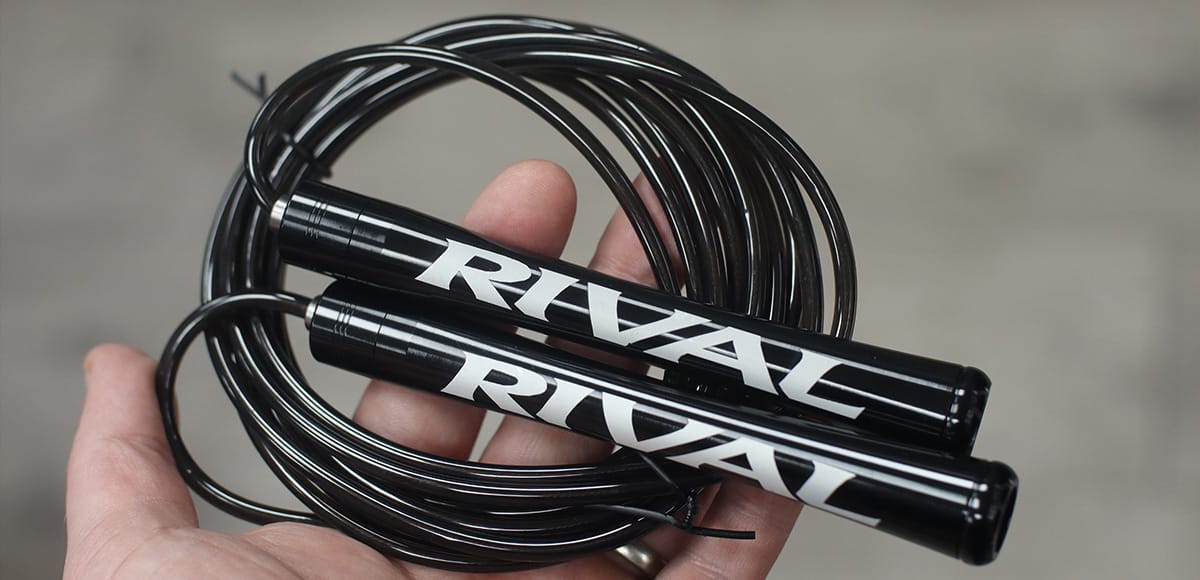
Steel Cable: These are the fastest ropes available. The dense, thin steel cable cuts through the air with almost zero resistance. They are ideal for advanced fighters executing complex drills or prolonged sets of double-unders. The Rival Alu Grip Speed Rope Adjustable (£14.99) features a PVC-covered steel cable and aluminium handles.
Leather Ropes
Leather ropes are the traditionalist's choice. They are heavier than speed ropes and cut through the air slower, providing a distinct, satisfying "thwack" as they hit the canvas. The added weight provides excellent tactile feedback, making it very easy to feel where the rope is in its rotation.
Best for: Establishing rhythm, steady-state warm-ups, and beginners learning to time their jumps. The slower rotation speed forces you to focus on a consistent, methodical bounce, which is excellent for building a foundational rhythm. The organic nature of leather also means these ropes conform to your skipping style over time, becoming softer and more pliable with use.
While FightGear currently focuses on high-performance speed ropes and does not stock leather options, we acknowledge their place in boxing heritage. However, for fighters looking to push their cardiovascular limits and develop explosive footwork, a speed rope remains the superior tool.
Weighted Ropes
Weighted ropes are designed for suffering. They incorporate extra weight either directly into a thick, heavy cord or via removable weights hidden inside the handles. Every rotation requires significantly more muscular effort than a standard rope, transforming skipping from a lower-body cardio exercise into a grueling upper-body workout.
Best for: Upper-body conditioning. A weighted rope will burn out your shoulders, forearms, and back long before your legs give out. They are fantastic for building the muscular endurance needed to keep your guard high in the late rounds of a fight, or to maintain power in your punches when fatigued.
Weighted ropes are typically used for shorter, high-intensity intervals rather than long, steady-state sessions. Again, while we do not currently stock weighted ropes, they are a valuable supplementary tool to use alongside your primary speed rope. A common protocol is to use a weighted rope for the first round of skipping to fatigue the shoulders, then switch to a speed rope for the remaining rounds to focus on footwork.
Comparison: Which Should You Choose?
To help you make an informed decision, we have broken down the key characteristics of each rope type and matched them with the best options available at FightGear.
| Rope Type | Best For | Rotation Speed | Durability | FightGear Option |
|---|---|---|---|---|
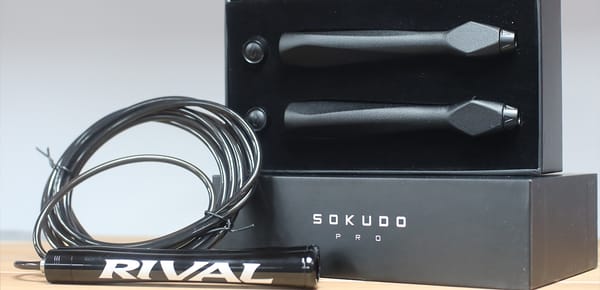
| PVC Speed Rope | Footwork drills, double-unders, conditioning | Very fast | High | Fly Super, Fly Ultra, BOXRAW Sokudo |
| Nylon Speed Rope | Beginners, warm-ups, general conditioning | Fast | Medium | Pro Box Nylon |
| Steel Cable Speed Rope | Advanced drills, high cadence | Fastest | Very high | Rival RJR11 |
| Leather Rope | Rhythm work, traditional training | Moderate | Very high | Not currently stocked |
| Weighted Rope | Shoulder/forearm conditioning | Slow | High | Not currently stocked |
The Final Verdict
For most fighters, a high-quality speed rope is the best investment. It provides the versatility needed for both steady-state warm-ups and high-intensity interval training. If you are a beginner, a PVC or nylon rope offers the best balance of speed and feedback. If you are an advanced fighter looking to maximize your cadence, a steel cable rope is the way to go.
Ensure you have the right length by reading our guide on sizing your rope correctly, or explore our Complete Guide to Boxing Skipping Ropes for more recommendations. Shop all boxing skipping ropes at FightGear. Browse our full boxing equipment collection to find everything you need for training. If you're just getting started, our Boxing Equipment for Beginners guide covers everything you need to know.
What type of skipping rope is best for boxing training?
Speed ropes made of PVC or steel cable are the best choice for boxing, as they allow for the rapid footwork and high-intensity intervals required for fight preparation.
Are weighted skipping ropes good for boxing?
Yes, they are excellent for building shoulder endurance so you can keep your hands up in late rounds, but they should supplement rather than replace your speed rope.
Why do some boxers use leather ropes?
Leather ropes are a traditional choice that provide great tactile feedback and a steady rhythm, making them popular for warm-ups in old-school gyms.