Why Skipping is Non-Negotiable in Boxing
In boxing, footwork is everything. Before you can throw a meaningful punch, you need the balance, coordination, and positioning to deliver it. This is where the skipping rope becomes non-negotiable. Skipping builds the cardiovascular engine required for three-minute rounds, but more importantly, it develops the rhythm and weight transfer essential for pad work, sparring, and competition.
A quality boxing skipping rope teaches you to stay light on your toes, improving your lateral movement and ability to pivot. It is the foundation of a fighter's conditioning routine, which is why choosing the right rope is a critical decision for any boxer, from beginner to professional. The repetitive bouncing motion conditions the calves and Achilles tendons, preparing the lower legs for the explosive movements required when stepping into range or pivoting out of danger.
Furthermore, skipping is a full-body exercise. While the legs do the bouncing, the shoulders, forearms, and core are constantly engaged to maintain the rotation of the rope. This muscular endurance translates directly to keeping your guard high in the later rounds of a fight when fatigue sets in. It is no coincidence that every great champion in history, from Muhammad Ali to Floyd Mayweather, incorporated extensive skipping into their daily training camps.
The Best Boxing Skipping Ropes: Ranked by Level
Whether you are just starting out or preparing for a bout, here are our top recommendations from the FightGear boxing skipping ropes collection.
Best for Beginners and Gym Bags: Pro Box Nylon Speed Rope
The Pro Box Nylon Speed Rope (£3.99) is the perfect entry point. It is simple, effective, and highly affordable. The lightweight nylon cord provides smooth rotations, and it is fully adjustable. It is an ideal low-risk option for beginners or for coaches looking to stock their club.
Despite its low price, the Pro Box Nylon rope is a highly capable tool. The nylon cord is durable enough to withstand daily use on gym floors, and the plastic handles are lightweight and comfortable. It is the quintessential "no-frills" boxing rope that gets the job done.
Best All-Rounder: Rival RJR11 Alu Grip Speed Rope
If you are ready to upgrade from a basic plastic rope, the Rival Alu Grip Speed Rope Adjustable (£14.99) is our top pick. It features a PVC-covered steel cable and aluminium handles. The 10ft (3m) cable is adjustable.
The Rival RJR11 hits the sweet spot between performance and price. The steel cable provides aggressive speed, while the aluminium handles offer a premium feel without the premium price tag. It is a rope that will serve you well from your first amateur bout all the way to the professional ranks.
Best for Serious Daily Training: Fly Ultra Speed Rope
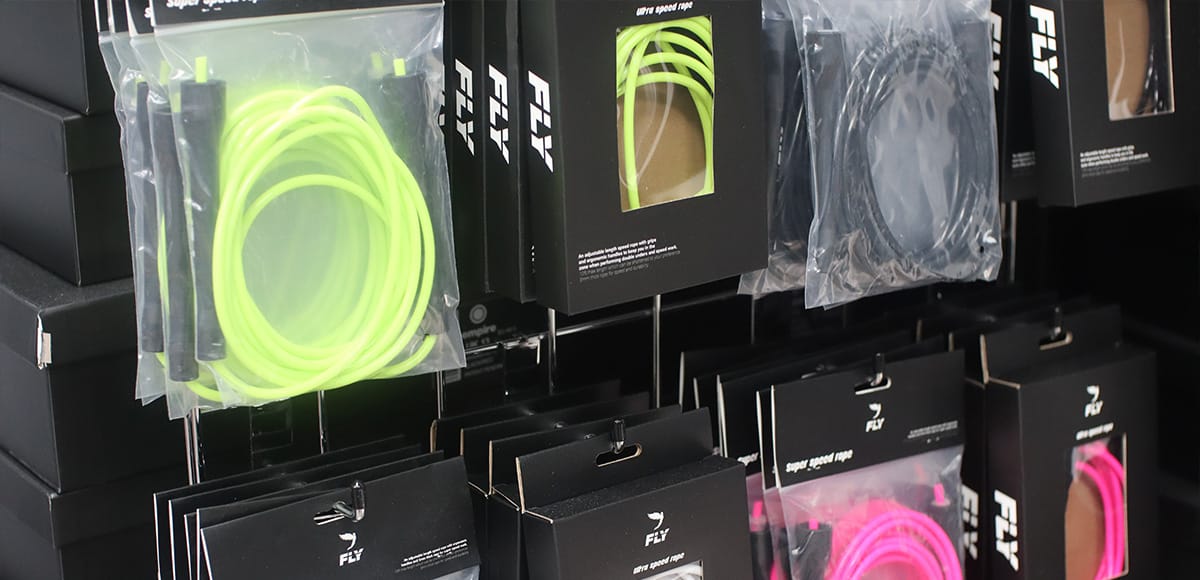
For fighters who skip every single day, durability and comfort are paramount. The Fly Ultra Speed Rope (£24.99) features a robust 5mm PVC cord and ergonomic handles with pre-applied grip tape. It is built to withstand the rigours of intense daily conditioning while providing a secure, comfortable hold.
The 5mm PVC cord is the standout feature of the Fly Ultra. It is thick enough to provide excellent feedback, allowing you to feel the rhythm of the rotation, but fast enough for high-intensity intervals. The pre-applied grip tape ensures that the handles will not slip from your grasp, even during the sweatiest sessions.

Best Premium Option: BOXRAW Sokudo Pro Aluminium Speed Rope
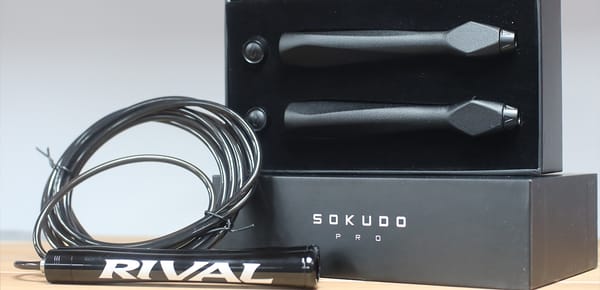
For those who want the absolute best equipment available, the BOXRAW Sokudo Pro Aluminium Speed Rope (£39.99) stands out. It is a premium investment for advanced fighters.
The Sokudo Pro is a masterclass in engineering. The adjustable PVC cord is highly durable and tangle-free. It is a luxury item, but for fighters who demand the best, it is worth every penny.
Ready to upgrade your conditioning? Shop all boxing skipping ropes at FightGear today.
The Anatomy of a Boxing Skipping Rope
Before diving into the specific types of ropes, it is important to understand the components that make up a high-quality boxing skipping rope. A rope is not just a piece of string; it is a precision tool engineered for speed and durability.
The Handles: The handles are your connection to the rope. They need to be comfortable, secure, and appropriately weighted. Modern handles are typically made from durable plastics, lightweight aluminium, or ergonomic foam. The length of the handle also matters; longer handles provide more leverage for tricks like crossovers, while shorter handles keep the rotation tight and close to the body.
The Bearing System: This is what separates a basic fitness rope from a true boxing speed rope. High-quality ropes feature internal bearings—often ball bearings—that allow the cord to rotate independently of the handle. This frictionless rotation prevents tangling, increases speed, and reduces the strain on your wrists.
The Cord: The cord is the engine of the rope. It dictates the speed, weight, and feedback of the rotation. Cords are typically made from PVC, nylon, steel cable, or leather. The thickness of the cord also plays a role; a thicker cord provides more air resistance and feedback, while a thinner cord cuts through the air for maximum velocity.
The Four Main Types of Boxing Skipping Ropes
Not all skipping ropes are created equal. Different materials and designs serve different training purposes. Understanding these distinctions will help you select the right tool for your specific goals.
1. Speed Ropes (PVC and Nylon)
Speed ropes are the standard in most boxing gyms. Typically made from a thin PVC or nylon cord, they rotate rapidly with minimal air resistance. This fast rotation makes them ideal for high-cadence footwork drills, double-unders, and intense interval training. They are lightweight, durable, and perfect for developing quick feet.
PVC ropes, in particular, offer an excellent balance of speed and feedback. They are heavy enough that you can feel the rope rotating around you, which helps with timing, but light enough that they do not prematurely fatigue your shoulders. They are also highly durable and can withstand being used on various surfaces, though a smooth gym floor is always recommended to prolong the life of the cord.
2. Steel Cable Ropes
A step up in speed, steel cable ropes (often coated in PVC or nylon) cut through the air even faster than standard PVC cords. They usually feature bearing-assisted handles, allowing the cable to spin independently of your grip. These are excellent for advanced fighters looking to push their cadence to the absolute limit.
Because the steel cable is so thin and dense, it provides very little air resistance. This means you can achieve incredibly high rotational speeds with minimal effort from your wrists. However, this lack of resistance also means less tactile feedback; you have to rely more on your internal timing rather than feeling the weight of the rope. They are the ultimate tool for double-unders and speed bursts.
3. Leather Ropes
The traditional choice. Leather ropes are heavier than speed ropes, providing a satisfying swing arc and excellent feedback. They rotate slower, making them perfect for establishing a steady rhythm during warm-ups. While we focus primarily on speed ropes at FightGear, leather ropes remain a staple in many old-school gyms.
The organic nature of leather means these ropes require a bit of breaking in. When new, they can be stiff, but over time they soften and conform to your skipping style. The added weight of the leather cord provides a fantastic shoulder workout, making them a great option for steady-state cardiovascular conditioning.
4. Weighted Ropes
Weighted ropes add resistance to every rotation, either through a heavier cord or weighted handles. They are designed specifically for conditioning, forcing your shoulders, forearms, and back to work harder. They are not built for speed, but rather for building muscular endurance.
Using a weighted rope is a grueling experience. It rapidly elevates your heart rate and burns out your upper body. They are typically used for shorter, high-intensity intervals rather than long, steady-state sessions. Incorporating a weighted rope into your routine once or twice a week is a proven method for increasing your punching endurance.

How to Size and Adjust Your Skipping Rope
Using a rope of the incorrect length will ruin your rhythm. If it is too long, the cord will slap the floor heavily and slow down; if it is too short, you will be forced into a hunched, upright posture that compromises your boxing stance.
The standard method for sizing is the armpit measurement: stand on the centre of the rope with both feet and pull the handles straight up. The tips of the handles should reach roughly to your armpits or the middle of your chest. Check the rope’s maximum length and adjustment method before buying.
When adjusting your rope, it is always better to err on the side of slightly too long rather than too short. You can always trim more off, but you cannot add length back. Start with the handles reaching your armpits, do a few test rounds, and if you feel the rope dragging excessively, shorten it by an inch and try again.
For a detailed breakdown on sizing, read our dedicated guide: What Size Skipping Rope Do I Need for Boxing?
Integrating Skipping into Your Boxing Routine
Buying the right rope is only the first step; knowing how to use it effectively is what will transform your conditioning. Skipping should be a staple of every training session, serving as both a warm-up and a dedicated conditioning tool. Browse our full boxing equipment collection to find everything you need for training. If you're just getting started, our Boxing Equipment for Beginners guide covers everything you need to know.
The Warm-Up: Start every session with 10 to 15 minutes of skipping. This elevates your core temperature, lubricates your joints, and mentally prepares you for the work ahead. Focus on a steady, relaxed rhythm, incorporating basic bounces and alternating feet.
Footwork Drills: Once you are warm, use the rope to drill specific footwork patterns. Practice moving laterally, shuffling forward and backward, and pivoting on your lead foot while maintaining the rotation of the rope. This trains your brain to coordinate your upper and lower body simultaneously.
High-Intensity Intervals: To build fight-specific cardio, incorporate high-intensity intervals. Skip at a moderate pace for 30 seconds, then sprint (high knees or double-unders) for 15 seconds. Repeat this cycle for a full three-minute round, followed by a one-minute rest. This mimics the explosive bursts of energy required during a bout.
For more information on the differences between rope materials, check out our comparison: Speed Rope vs Leather Rope vs Weighted Rope. If you are debating between our top-tier options, read our Rival vs BOXRAW Skipping Rope comparison.
What length skipping rope do I need for boxing?
When standing on the centre of the rope, the handles should reach your armpits. Check the rope’s maximum length and adjustment method before buying.
What type of skipping rope is best for boxing training?
Speed ropes (PVC, nylon, or steel cable) are generally best for boxing as they allow for the fast footwork and high-cadence intervals required for fight conditioning.
Are weighted skipping ropes good for boxing?
Yes, weighted ropes are excellent for building shoulder and forearm endurance, though they should be used alongside a speed rope rather than replacing it entirely.