Choosing Your Premium Speed Rope
When you are ready to upgrade from a basic plastic skipping rope to a high-performance tool, the market offers several excellent options. A premium rope is an investment in your conditioning; it provides smoother rotations, greater durability, and a more comfortable grip, allowing you to push your intervals harder and longer.
For fighters willing to invest in quality, the decision often comes down to two standout models in the UK market: the Rival Alu Grip Speed Rope Adjustable (£14.99) and the BOXRAW Sokudo Pro Aluminium Speed Rope (£39.99).
Both ropes feature aluminium handles and adjustable cords, but they cater to slightly different needs, preferences, and budgets. Here is our comprehensive, head-to-head comparison to help you decide which is worth your money.
Build Quality and Materials
The foundation of any good skipping rope is its construction. Both Rival and BOXRAW have built their reputations on producing durable, high-quality boxing equipment, and these ropes are no exception.
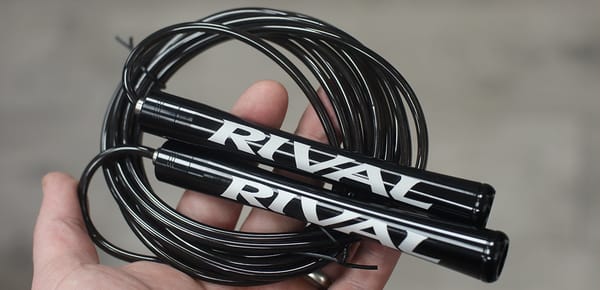
The Rival RJR11 is built around a highly durable PVC-covered steel cable. This steel core gives the rope a slightly heavier, more aggressive feel as it cuts through the air, making it incredibly fast. The PVC coating protects the steel from fraying and extends the life of the cable, especially if used on rougher gym floors. The aluminium handles are robust, utilitarian, and designed to withstand being thrown into a kit bag daily without a second thought.
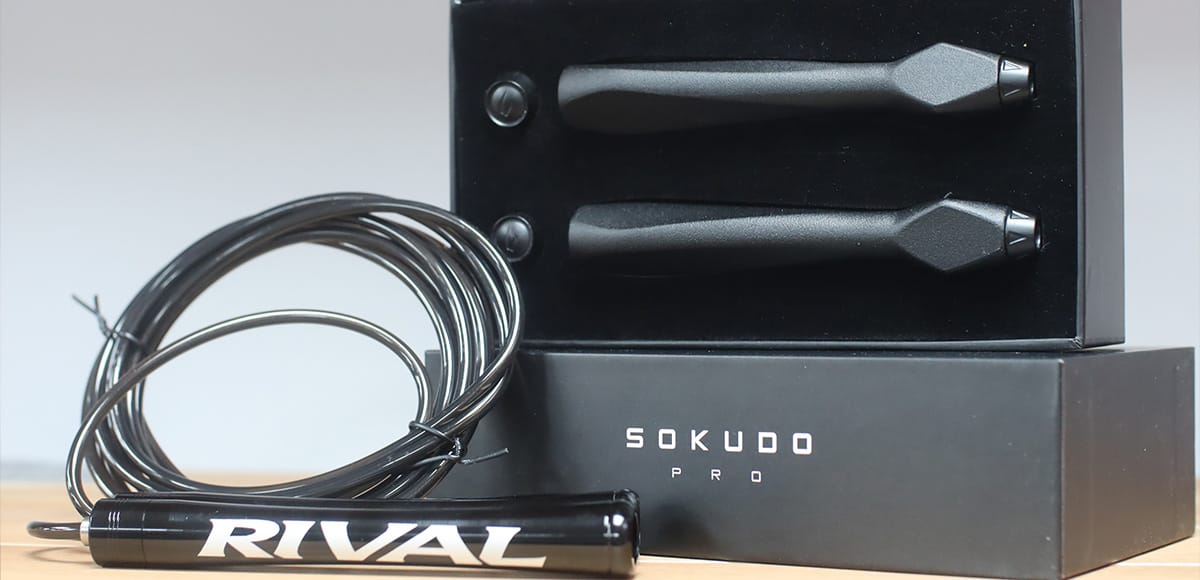
The BOXRAW Sokudo Pro opts for a premium adjustable PVC cord. While it lacks the steel core of the Rival, the PVC is thick, tangle-free, and highly durable. It provides slightly more air resistance than the steel cable, which some fighters prefer for the added tactile feedback. The aluminium handles on the Sokudo Pro are beautifully machined, offering a sleeker, more refined aesthetic that aligns perfectly with BOXRAW's premium brand positioning. They feel like a luxury item in the hand.
Rotation Speed and Bearings
Both ropes leave standard nylon ropes in the dust, but they achieve their impressive speed through different engineering approaches.
The Rival uses a PVC-covered steel cable with aluminium handles. The cable has a direct, weighted feel that suits boxers who like clear feedback from the rope through fast intervals.
The BOXRAW uses an adjustable PVC cord and aluminium handles shaped for the left and right hands. It is a different feel from a steel cable. For double-unders, crossovers or speed bursts, choose the rope you can control consistently rather than expecting a bearing system to do the work for you.
Adjustment Mechanisms
Adjustability is crucial. As we detail in our Complete Guide to Boxing Skipping Ropes, using a rope of the incorrect length will ruin your rhythm and compromise your stance.
The Rival RJR11 is adjustable from its supplied 10ft (3m) length. Follow the supplied adjustment instructions and test the length before making any permanent cut. It is a straightforward option if you want a steel-cable rope at a sensible price.
The BOXRAW Sokudo Pro also has an adjustable PVC cord. Check the instructions for the version supplied before adjusting or trimming it; set the length through a few test rounds before cutting away excess.
Comparison Summary
To make the decision easier, here is a direct comparison of the key features of both ropes:
| Feature | Rival RJR11 (£14.99) | BOXRAW Sokudo Pro (£39.99) |
|---|---|---|
| Cable Material | PVC-covered steel | Premium PVC |
| Handles | Aluminium | Aluminium |
| Cord feel | Steel-cable feedback | PVC-cord feedback |
| Adjustment | Adjustable from 10ft (3m) | Adjustable; check supplied version |
| Colours | Black | Black only |
| Best For | Intermediate to advanced | Advanced / premium buyers |
The Verdict: Which Is Worth the Money?
Both ropes are exceptional pieces of training equipment, but they serve different buyers and different budgets.
The Rival Alu Grip Speed Rope (£14.99) is arguably the best value-for-money rope on the market. It offers professional-level speed, a durable steel cable, and adjustable length, all at a highly accessible price point. It is a workhorse rope that delivers elite performance without the premium price tag. It is our recommendation for the vast majority of fighters.
The BOXRAW Sokudo Pro (£39.99) is a luxury item. You are paying for the shaped aluminium handles, the premium finish, and the brand cachet. If you like the PVC-cord feel and appreciate the design, it is the premium choice in this comparison. If you are new to BOXRAW and weighing up whether the brand’s premium pricing is justified across the board, our BOXRAW clothing and gear review gives you the full picture.
Explore our full range at the FightGear boxing skipping ropes collection, or browse our dedicated Rival Boxing and BOXRAW brand pages.
Can the Rival RJR11 be used for double-unders?
Absolutely. The steel cable suits fast skipping drills, but consecutive double-unders still depend on technique and a length you can control.
How do you adjust the length on the Rival Alu Grip Speed Rope?
The RJR11 is adjustable from its supplied 10ft (3m) length. Follow the instructions supplied with the rope and test the length before any permanent cut.
Is the BOXRAW Sokudo Pro worth the extra money?
If you value shaped aluminium handles, PVC-cord feel, and premium aesthetics, yes. However, the Rival offers a steel-cable alternative for significantly less.